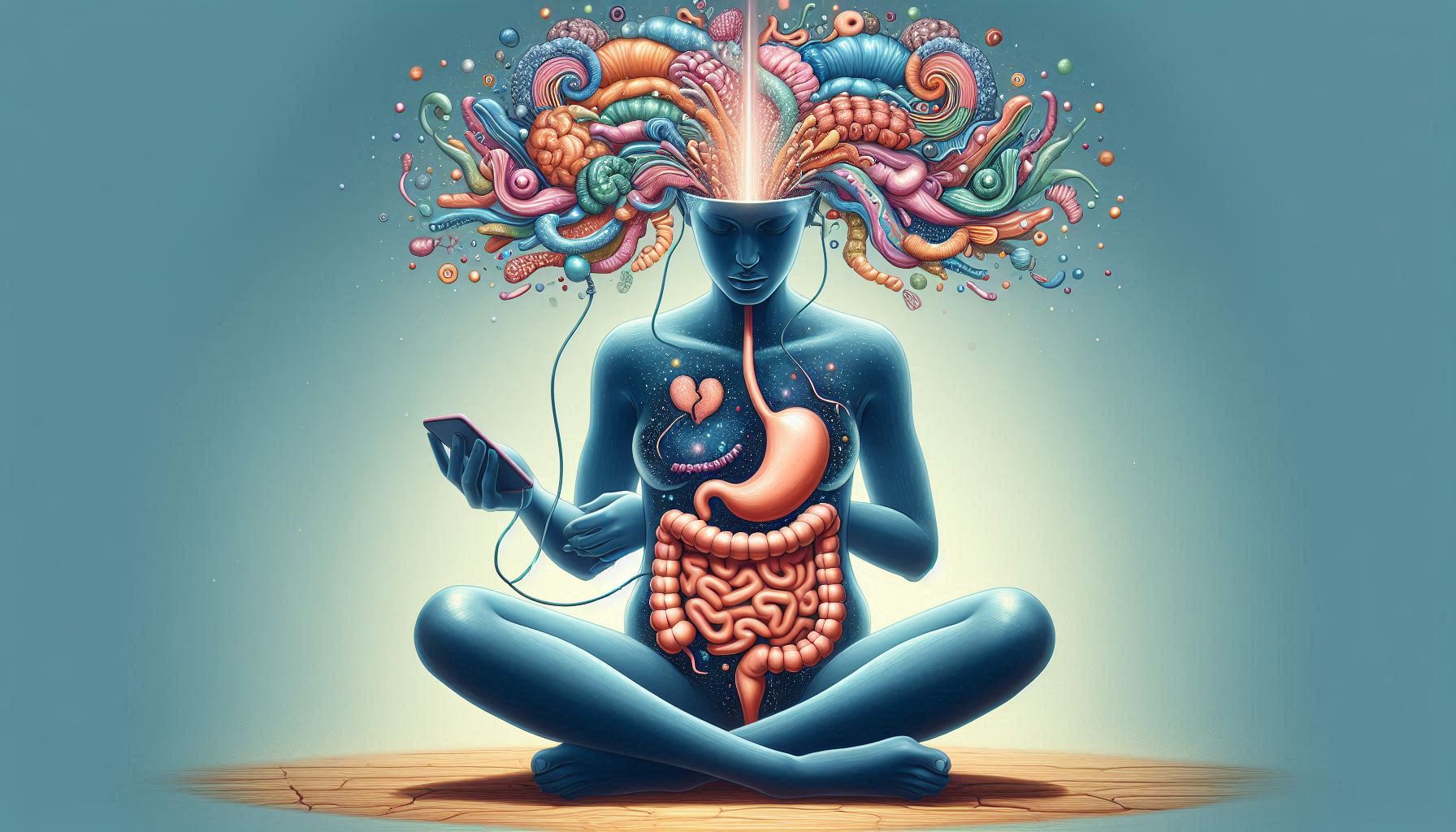
For centuries, the gut was viewed as a relatively simple organ system, responsible primarily for the mechanical and chemical breakdown of food. The brain, in its majestic complexity, was placed on a pedestal, separate and sovereign, dictating our thoughts, emotions, and behaviors. This long-held dichotomy is now crumbling under the weight of revolutionary scientific discovery. We are witnessing the emergence of a new biological paradigm, one that recognizes an intricate, bidirectional communication network between the brain and the digestive system. This connection, famously dubbed the “gut-brain axis,” is revealing that our mental health is profoundly and inextricably linked to the state of our gut microbiome—the vast universe of trillions of bacteria, viruses, and fungi residing within our intestines.
This guide delves into the sophisticated science behind this connection, exploring the communication pathways, the role of the microbiome as a “second brain,” the implications for psychiatric and neurological disorders, and the practical steps we can take to nurture this relationship for optimal mental wellbeing.
The Anatomy of a Conversation: Understanding the Gut-Brain Axis
The gut-brain axis is not a metaphorical concept but a complex, physical network of neural, endocrine, and immune pathways that facilitate constant communication between the central nervous system (CNS) and the enteric nervous system (ENS)—the intricate web of neurons embedded in the walls of the gut.
The Vagus Nerve: The Information Superhighway
The primary neural pathway of the gut-brain axis is the vagus nerve. This cranial nerve is the longest nerve in the body, stretching from the brainstem down to the abdomen, innervating the heart, lungs, and digestive tract. It acts as a two-way communication cable. Approximately 80-90% of the nerve fibers in the vagus nerve are afferent, meaning they send signals from the gut to the brain. This allows the brain to receive a constant stream of information about the state of the gut: its motility, nutrient levels, and the activity of the gut microbiota. The vagus nerve is crucial for modulating stress responses and mood based on signals originating from the digestive system (Foster & Neufeld, 2013).
Neuroendocrine Signaling: The Hormonal Mail System
The gut is the body’s largest endocrine organ, producing over thirty different neurotransmitter-like molecules and hormones. Key players include:
- Short-Chain Fatty Acids (SCFAs): When gut microbes ferment dietary fiber, they produce SCFAs like butyrate, propionate, and acetate. These compounds are not just a local energy source for colon cells; they can enter the bloodstream, cross the blood-brain barrier, and influence microglia (the brain’s immune cells), reduce neuroinflammation, and even influence the expression of genes crucial for brain function.
- Neurotransmitters: Remarkably, gut bacteria are prolific producers of neuroactive chemicals. For instance, an estimated 90% of the body’s serotonin—a key neurotransmitter regulating mood, appetite, and sleep—is synthesized in the gut, primarily by enterochromaffin cells and certain microbes like Turicibacter sanguinis and Clostridium species. Similarly, gut bacteria produce gamma-aminobutyric acid (GABA), the primary inhibitory neurotransmitter that calms the nervous system, and dopamine, which is central to motivation and reward.
The Immune System: The Inflammatory Link
A significant portion of the body’s immune system is located in the gut, known as gut-associated lymphoid tissue (GALT). The microbiome plays a critical role in training and modulating this immune system. When the gut barrier becomes permeable (“leaky gut”), often due to dysbiosis (a microbial imbalance), bacterial fragments like lipopolysaccharide (LPS) can enter the bloodstream. This triggers a systemic immune response and chronic, low-grade inflammation. This inflammatory state is a well-established contributor to the pathogenesis of depression and other neuropsychiatric disorders. Inflammatory cytokines can cross the blood-brain barrier, altering the metabolism of neurotransmitters and impacting neural circuits involved in motivation and mood (Lurie, Yang, Haynes, Mamtani, & Boursi, 2015).
The Microbiome as the “Second Brain” and Its Role in Mental Health
The collective genome of our gut microbiota contains millions of genes, far outnumbering our own human genes. This “second genome” acts as a virtual endocrine organ, influencing brain physiology and, by extension, our psychology.
Research, primarily in animal models but increasingly in humans, has provided compelling evidence for this link:
- Germ-Free Studies: Mice raised in sterile environments without any gut microbiota exhibit significant alterations in brain chemistry, stress responses, and behavior, including reduced anxiety-like behaviors. When these germ-free mice are colonized with microbiota from anxious mice, they begin to exhibit anxious behaviors themselves, and vice-versa, demonstrating a causal role for microbes in shaping behavior (Zheng, et al., 2016).
- Probiotic and Preclinical Studies: Interventions with specific strains of beneficial bacteria, known as psychobiotics, have shown promise. For example, administration of Lactobacillus and Bifidobacterium strains has been shown to reduce cortisol levels, alleviate anxious and depressive behaviors in rodents, and increase brain-derived neurotrophic factor (BDNF), a protein vital for neuroplasticity.
In humans, observational studies have consistently found distinct microbial signatures in individuals with psychiatric conditions compared to healthy controls. For instance, people with Major Depressive Disorder often show altered ratios of Firmicutes to Bacteroidetes bacteria, reduced microbial diversity, and lower levels of bacteria known to produce butyrate.
Implications for Neuropsychiatric Disorders
The understanding of the gut-brain axis is transforming how we view and potentially treat a range of conditions.
- Depression and Anxiety: The link between chronic inflammation, reduced SCFA production, and impaired serotonin synthesis provides a tangible biological pathway connecting gut dysbiosis to mood disorders. This offers a new avenue for adjunctive treatments, such as specific probiotic regimens and anti-inflammatory diets, alongside traditional therapies.
- Autism Spectrum Disorder (ASD): Many individuals with ASD experience severe gastrointestinal issues, and the severity of these symptoms often correlates with behavioral challenges. Research suggests that altered gut microbiota may contribute to ASD symptoms through increased gut permeability and the production of microbial metabolites that can influence brain development and function.
- Neurodegenerative Diseases: The axis is also implicated in Parkinson’s and Alzheimer’s diseases. In Parkinson’s, the characteristic alpha-synuclein pathology is now believed to may originate in the gut nerve cells and travel to the brain via the vagus nerve. Gut dysbiosis may accelerate this process through inflammation.
- Stress-Related Disorders: The microbiome is highly sensitive to stress. Psychological stress can alter microbial composition within hours, reducing beneficial Lactobacilli and increasing potentially harmful bacteria. This creates a vicious cycle: stress disrupts the gut, which in turn signals the brain to perpetuate the stress response.
Nurturing the Connection: Practical Steps for a Healthy Gut and Mind
While research is still evolving, the evidence is strong enough to suggest that caring for our gut is a fundamental pillar of mental healthcare. Here’s how to cultivate a healthy microbiome:
- Diversify Your Diet with Prebiotic Fiber: A diverse microbiome is a resilient one. Focus on eating a wide variety of plant-based foods—fruits, vegetables, legumes, nuts, and whole grains. These are rich in prebiotics, the indigestible fibers that serve as food for beneficial bacteria. Aim for 30 different plant types per week.
- Incorporate Fermented Foods (Probiotics): Regularly consume traditionally fermented foods like yogurt (with live cultures), kefir, kimchi, sauerkraut, kombucha, and miso. These contain live beneficial bacteria that can help inoculate your gut.
- Limit Ultra-Processed Foods: Diets high in sugar, unhealthy fats, and artificial additives can promote the growth of inflammatory bacteria and reduce microbial diversity.
- Manage Stress: Since stress directly impacts the gut, practices like mindfulness meditation, yoga, deep breathing exercises, and adequate sleep are not just good for the mind but are essential for gut health.
- Use Antibiotics Judiciously: Antibiotics are life-saving medicines but they act like a bomb in the gut, decimating both good and bad bacteria. Only take them when absolutely necessary and always under a doctor’s supervision. If you must take a course, follow it with a diet rich in prebiotics and consider discussing probiotics with your physician.
- Consider a High-Quality Probiotic Supplement: For some individuals, especially those with specific digestive or mood issues, a targeted probiotic supplement may be beneficial. Look for well-researched strains like Lactobacillus helveticus R0052 and Bifidobacterium longum R0175, which have shown positive effects on stress and mood in clinical trials.
Conclusion
The revelation of the gut-brain axis marks a profound shift from a brain-centric view of mental health to a holistic, systems-based understanding. We are not just our brains; we are a complex ecosystem, a “holobiont,” comprised of human and microbial cells in a constant, intimate dialogue. The gut is not merely a passive digestive tube but an active, influential participant in shaping our emotions, resilience, and cognitive states.
While we must be cautious not to oversimplify complex disorders or overstate the power of a yogurt cup to cure depression, the science is clear: the path to mental well-being may very well run through the gut. By making conscious choices to nourish our microbial partners, we are not just eating for physical health; we are fundamentally feeding our minds. The future of psychiatry and neurology will undoubtedly involve manipulating the microbiome, offering hope for more personalized and effective strategies to heal the brain by first healing the gut.
SOURCES
Cryan, J. F., & O’Mahony, S. M. (2011). The microbiome-gut-brain axis: from bowel to behavior. Neurogastroenterology & Motility, 23(3), 187–192.
Foster, J. A., & Neufeld, K.-A. M. (2013). Gut–brain axis: how the microbiome influences anxiety and depression. Trends in Neurosciences, 36(5), 305–312.
Lurie, I., Yang, Y.-X., Haynes, K., Mamtani, R., & Boursi, B. (2015). Antibiotic exposure and the risk for depression, anxiety, or psychosis: a nested case-control study. The Journal of Clinical Psychiatry, 76(11), 1522–1528.
Mayer, E. A., Knight, R., Mazmanian, S. K., Cryan, J. F., & Tillisch, K. (2014). Gut microbes and the brain: paradigm shift in neuroscience. The Journal of Neuroscience, 34(46), 15490–15496.
Rogers, G. B., Keating, D. J., Young, R. L., Wong, M.-L., Licinio, J., & Wesselingh, S. (2016). From gut dysbiosis to altered brain function and mental illness: mechanisms and pathways. Molecular Psychiatry, 21(6), 738–748.
Sarkar, A., Lehto, S. M., Harty, S., Dinan, T. G., Cryan, J. F., & Burnet, P. W. J. (2016). Psychobiotics and the manipulation of bacteria–gut–brain signals. Trends in Neurosciences, 39(11), 763–781.
Zheng, P., Zeng, B., Zhou, C., Liu, M., Fang, Z., Xu, X., … & Xie, P. (2016). Gut microbiome remodeling induces depressive-like behaviors through a pathway mediated by the host’s metabolism. Molecular Psychiatry, 21(6), 786–796.
HISTORY
Current Version
Sep 17, 2025
Written By:
SUMMIYAH MAHMOOD