Cardiovascular disease (CVD) remains the leading cause of mortality for women globally, a fact that continues to be obscured by outdated perceptions of it as a “man’s disease.” This critical oversight is particularly perilous when examining the pathogenesis of hypertension, a primary and modifiable risk factor for stroke, heart failure, and coronary artery disease. While traditional risk factors like genetics, diet, and physical inactivity are universally acknowledged, the role of chronic psychosocial stress as a potent, pervasive, and often gender-specific driver of hypertension and subsequent CVD in women is under-recognized in both clinical practice and public health discourse. For women, the relationship between stress and cardiovascular health is not merely a linear pathway but a complex, multifactorial nexus shaped by biological sex differences, gendered social roles, and unique life-stage stressors.
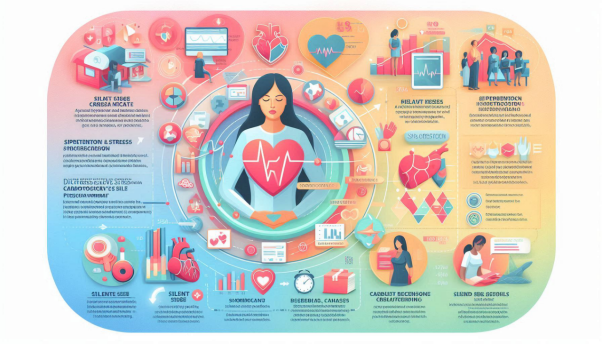
Chronic stress activates a cascade of neuroendocrine, autonomic, and inflammatory responses—the sympathetic nervous system (SNS), the hypothalamic-pituitary-adrenal (HPA) axis, and the immune system—that collectively erode cardiovascular resilience over time. This dysregulation promotes vascular dysfunction, sodium retention, metabolic imbalance, and ultimately, a sustained elevation in blood pressure. Crucially, women’s experiences of stress, their physiological reactivity to it, and the social contexts in which it is embedded differ profoundly from those of men. From the cumulative burden of caregiving and “the second shift” to gender-based inequities in the workplace and society, women face distinct psychosocial vulnerabilities that translate into tangible cardiovascular risk. This examination delves into the intricate mechanisms linking chronic stress to hypertension in women, explores the unique psychosocial and biological factors that amplify this risk across the lifespan, analyzes the clinical manifestations and diagnostic challenges, and concludes with a framework for holistic, gender-sensitive prevention and management strategies. Understanding stress-induced hypertension not as an isolated condition but as a biomarker of allostatic load—the cumulative wear and tear from chronic stress—is essential to mitigating the formidable burden of cardiovascular disease in women.
1. The Pathophysiological Mechanisms: From Stress Perception to Vascular Damage
The journey from a stressful stimulus to established hypertension involves a sophisticated, multi-system physiological response that, when perpetually activated, transitions from adaptive to profoundly destructive. The process initiates in the brain, where perceived threats—whether physical danger or persistent psychosocial pressures—are processed by the amygdala and prefrontal cortex. This triggers the central stress response, orchestrating two primary effector pathways: the rapid SNS-mediated “fight-or-flight” reaction and the slower, but sustained, HPA axis activation.
The immediate SNS surge releases catecholamines—epinephrine and norepinephrine—from the adrenal medulla and sympathetic nerve endings. These neurotransmitters bind to adrenergic receptors throughout the cardiovascular system, causing an instantaneous increase in heart rate, myocardial contractility, and, critically, vasoconstriction of peripheral arterioles. This vasoconstriction increases total peripheral resistance, a key determinant of blood pressure. Simultaneously, sympathetic activation stimulates the juxtaglomerular cells in the kidneys to release renin, initiating the renin-angiotensin-aldosterone system (RAAS). Renin catalyzes the conversion of angiotensinogen to angiotensin I, which is then transformed to angiotensin II (Ang II) by angiotensin-converting enzyme (ACE) in the lungs. Ang II is a potent vasoconstrictor and also stimulates the release of aldosterone from the adrenal cortex. Aldosterone promotes sodium and water reabsorption in the renal tubules, increasing blood volume and, consequently, cardiac output. Under acute stress, these mechanisms are life-preserving; under chronic stress, they become maladaptive, leading to sustained increases in peripheral resistance and blood volume, the hallmarks of hypertension.
Concurrently, the HPA axis is engaged. The hypothalamus secretes corticotropin-releasing hormone (CRH), which prompts the pituitary gland to release adrenocorticotropic hormone (ACTH), stimulating the adrenal cortex to produce glucocorticoids, primarily cortisol in humans. While cortisol’s primary role is to mobilize energy by increasing gluconeogenesis, it also has significant cardiovascular and renal effects. Chronically elevated cortisol potentiates the vasoconstrictive effects of catecholamines and Ang II, reduces nitric oxide (NO) bioavailability—a crucial vasodilator produced by the endothelium—and promotes sodium retention. Furthermore, cortisol has a permissive effect on the RAAS, enhancing tissue sensitivity to Ang II. Over time, this leads to endothelial dysfunction, where the delicate lining of blood vessels loses its ability to regulate vascular tone, inflammation, and thrombosis.
A third, critical pathway links chronic stress to hypertension through low-grade systemic inflammation and immune system dysregulation. Stress hormones like cortisol and catecholamines can initially suppress certain immune functions, but chronic exposure leads to a paradoxical state of immune activation and increased production of pro-inflammatory cytokines such as interleukin-6 (IL-6), tumor necrosis factor-alpha (TNF-α), and C-reactive protein (CRP). These inflammatory molecules infiltrate the vascular wall, promoting oxidative stress, endothelial dysfunction, and vascular remodeling—the thickening and stiffening of arteries. This inflammation is a key bridge between psychosocial stress and the development of atherosclerosis, the plaque buildup that underlies coronary artery disease and stroke.
Crucially, sex hormones modulate each of these pathways. Estrogen, in its premenopausal state, generally exerts cardioprotective effects by enhancing endothelial NO synthesis, providing antioxidant properties, and modulating sympathetic activity. However, the interplay is complex. Estrogen can also influence the HPA axis, potentially altering stress reactivity. The decline in estrogen during perimenopause and menopause removes a significant vascular protective shield, coinciding with a marked increase in the prevalence of hypertension and CVD in women. Additionally, the relative dominance of the SNS versus other systems may differ by sex, with some research suggesting women exhibit greater vascular reactivity to certain stressors. This intricate biological backdrop sets the stage upon which the unique psychosocial stressors of women’s lives act, forging a powerful and dangerous link to hypertension.
2. Gender-Specific Psychosocial Stressors and Life-Course Vulnerabilities
The physiological mechanisms of stress-induced hypertension do not operate in a vacuum; they are fueled by the specific nature, chronicity, and meaning of stressors experienced by women. These stressors are often rooted in social structures, gender roles, and life-stage transitions, creating a cumulative risk burden that is distinctly female.
The Double Burden and Unpaid Labor: A foundational and persistent stressor is the “second shift” or the double burden of employment and domestic responsibilities. Even in dual-income households, women disproportionately shoulder the weight of childcare, housework, and family management—the cognitive and emotional labor of running a household. This role overload is a chronic, high-demand, low-control stressor, a combination strongly linked to hypertension in epidemiological studies. The constant juggling act, the mental load of planning and organizing, and the lack of time for recuperation create a state of persistent psychological strain with direct biological consequences. Caregiving for aging parents or sick relatives, a role still predominantly filled by women, adds another profound layer of chronic stress, associated with higher blood pressure, inflammation, and poorer cardiovascular outcomes.
Workplace Stressors and Gender Inequity: The professional environment presents specific hypertensive risks for women. Occupational stress models highlight that jobs characterized by high psychological demands coupled with low decision-making latitude (job strain) are strongly predictive of hypertension. Women are often overrepresented in such roles. Furthermore, they face gender-specific challenges including pay inequity, the gender pension gap, glass ceilings limiting advancement, and experiences of discrimination, harassment, or microaggressions. These are not merely subjective annoyances; they are potent psychosocial stressors that elicit strong physiological stress responses. The effort-reward imbalance model is also relevant, where high effort (in work and home) is met with low reward in terms of salary, recognition, or career security, a mismatch linked to cardiovascular risk. For working mothers, the stress of navigating maternity leave and potential career penalties adds significant anticipatory anxiety.
Social Determinants and Trauma: Broader social and economic factors disproportionately affect women’s cardiovascular health. Lower socioeconomic status, which is more prevalent among single mothers and elderly women, is associated with greater exposure to stressors and fewer resources to cope with them, leading to higher rates of hypertension. Furthermore, women experience higher rates of certain types of traumatic and stressful life events, such as intimate partner violence and sexual assault. The chronic psychological sequelae of such trauma—including post-traumatic stress disorder (PTSD)—are independently associated with dysregulated HPA axis function, heightened inflammation, and a significantly elevated risk of hypertension and early-onset CVD. This represents a critical, yet often overlooked, pathway from social pathology to cardiovascular pathology.
Life-Stage Transitions: Pregnancy and Menopause: Women’s biology introduces unique stress-sensitive periods. Pregnancy itself is a major physiological stress test. Conditions like gestational hypertension and preeclampsia are acute stress-induced vascular disorders that unmask underlying cardiovascular vulnerability. A history of these conditions is a powerful risk marker for future chronic hypertension and CVD, indicating that the stress of pregnancy can cause lasting vascular damage. The postpartum period, with its sleep disruption, identity shifts, and often inadequate social support, is another high-risk window for stress and poor cardiovascular recovery.
Menopause represents another critical juncture. The decline in endogenous estrogen coincides with an increase in central adiposity (a shift to a more “apple-shaped” body), a rise in LDL cholesterol, and a heightened SNS response to stress. The menopausal transition itself can be a profound psychosocial stressor, involving changes in self-image, societal attitudes towards aging, and sometimes debilitating symptoms like vasomotor symptoms (hot flashes) and sleep disturbances. These symptoms are not merely trivial; they are associated with endothelial dysfunction and increased blood pressure variability. The confluence of biological vulnerability and psychosocial stress during this life stage creates a perfect storm for the development of sustained hypertension.
Coping Styles and Social Constraints: Women and men may also differ in how they cope with stress, which can influence cardiovascular outcomes. While the “tend-and-befriend” model suggests women may seek social support more readily, the quality of that support matters. Relationships that are a source of conflict rather than solace can be detrimental. Furthermore, internalizing coping styles, such as rumination (repetitive, passive focus on distress) and self-silencing (suppressing one’s needs and emotions to maintain harmony), are more common in women and have been linked to higher blood pressure reactivity and poorer cardiovascular health. The societal expectation for women to be caregivers can inhibit self-care, making it harder for them to prioritize activities like exercise, relaxation, and medical appointments that buffer against stress.
3. Clinical Manifestations, Diagnostic Challenges, and Atypical Presentations
Stress-induced hypertension in women often follows a subtle, insidious course, presenting unique challenges for timely diagnosis and appropriate management. Its clinical picture is frequently complicated by overlapping symptoms, atypical presentations, and biases within the healthcare system.
The Spectrum of Blood Pressure Phenotypes: Chronic stress can manifest in various blood pressure patterns. Some women develop sustained hypertension, with consistently elevated office and out-of-office readings. However, stress is a prime driver of “white coat hypertension” (elevated in-office but normal out-of-office BP) and, more significantly, “masked hypertension” (normal in-office but elevated out-of-office BP). Masked hypertension is particularly dangerous as it goes undiagnosed and untreated, carrying a cardiovascular risk similar to sustained hypertension. Ambulatory blood pressure monitoring (ABPM) is crucial for identifying these phenotypes, as the doctor’s office can be either a stress-inducing or a reassuring environment. Furthermore, stress is a key contributor to blood pressure variability (BPV)—excessive fluctuations in BP over short periods. High BPV is an independent predictor of target organ damage and CVD events, and may be more pronounced in women, especially postmenopausally.
Atypical Symptoms and Misattribution: Women with stress-induced hypertension may present with a constellation of non-specific symptoms that are easily misattributed to anxiety, menopause, or simply “being stressed,” rather than recognized as signs of developing cardiovascular pathology. These include headaches (often occipital), palpitations, chest discomfort (which may be sharp or fleeting rather than classic crushing substernal pain), shortness of breath, fatigue, sleep disturbances, and dizziness. Healthcare providers, influenced by implicit gender bias, may be more likely to attribute such symptoms in women to psychological causes (“it’s all in your head”) and in men to organic disease. This diagnostic overshadowing leads to delays in measuring BP, initiating work-ups, and prescribing appropriate antihypertensive therapy. Women are more likely than men to report their symptoms being dismissed or minimized.
The Menopause Conundrum: Diagnosing hypertension during the menopausal transition is especially challenging. Symptoms like hot flashes, night sweats, sleep disruption, and mood changes overlap with both menopausal syndrome and side effects of some antihypertensive medications (e.g., beta-blockers can cause fatigue). A woman experiencing new-onset headaches and fatigue may be prescribed hormone therapy or an antidepressant without a thorough cardiovascular assessment, including serial BP checks. Furthermore, the normal aging-related rise in BP can be incorrectly dismissed as “just a part of menopause,” rather than a serious modifiable risk factor requiring intervention.
Microvascular and Dysautonomic Presentations: Emerging research suggests that stress and female sex may predispose to forms of cardiovascular dysfunction beyond large-vessel atherosclerosis. Microvascular angina (formerly cardiac syndrome X), characterized by chest pain with normal coronary arteries, is more common in women and is strongly associated with psychological stress and abnormal coronary microvascular function. Similarly, disorders of autonomic regulation, such as postural orthostatic tachycardia syndrome (POTS), which disproportionately affect young women, involve abnormal heart rate and BP responses to stress and positional changes. These conditions exist on a spectrum with stress-induced hypertension, sharing underlying mechanisms of autonomic dysregulation and endothelial dysfunction, yet they often fall into a diagnostic gray area.
The Role of Comorbidities: Stress-induced hypertension rarely exists in isolation. It is frequently part of a metabolic and psychological cluster. Women under chronic stress are at high risk for developing “stress cardiometabolic syndrome”: a combination of central obesity, insulin resistance, dyslipidemia, hypertension, and mood disorders. This clustering creates a synergistic risk multiplier. For instance, depression and hypertension have a bidirectional relationship; each exacerbates the other through shared pathways of HPA axis dysregulation, inflammation, and reduced heart rate variability. Treating one condition in isolation without addressing the shared psychosocial root is often ineffective. Therefore, a holistic assessment that screens for depression, anxiety, sleep apnea, and metabolic parameters is essential in any woman presenting with hypertension.
4. Towards a Gender-Sensitive Management Paradigm: From Pharmacotherapy to Systemic Change
Effectively addressing stress-induced hypertension in women necessitates a paradigm shift from a purely biomedical, medication-centric model to an integrated biopsychosocial approach. Management must target not only the elevated blood pressure numbers but also the upstream psychosocial drivers and the downstream physiological dysregulation.
Lifestyle Intervention as Foundational Therapy: The cornerstone of management for stress-induced hypertension is lifestyle modification, which directly targets the pathophysiological pathways. Regular aerobic exercise (e.g., 150 minutes per week of moderate-intensity activity) is a powerful antihypertensive, reducing SNS activity, improving endothelial function, and serving as a buffer against stress reactivity. Resistance training also lowers BP. Stress management techniques must be prescribed with the same seriousness as medication. Mindfulness-Based Stress Reduction (MBSR), cognitive-behavioral therapy (CBT), biofeedback, and slow-paced breathing exercises (e.g., 6 breaths per minute) have robust evidence for lowering BP, reducing cortisol, and improving autonomic balance by enhancing vagal tone. Dietary approaches should emphasize the DASH (Dietary Approaches to Stop Hypertension) or Mediterranean diets, rich in potassium, magnesium, fiber, and polyphenols, while reducing sodium and processed foods. These diets have anti-inflammatory effects and improve vascular health. Crucially, prioritizing sleep hygiene is non-negotiable, as poor sleep is both a cause and consequence of stress and hypertension.
Pharmacological Considerations in Women: When medications are required, choice should be informed by sex-specific factors. Diuretics can be particularly effective in older women, who often have salt-sensitive hypertension. However, electrolyte monitoring is key. ACE inhibitors and Angiotensin Receptor Blockers (ARBs) are excellent first-line agents, offering protective effects on the endothelium and in conditions like diabetic kidney disease. It is critical to note that ACE inhibitors and ARBs are absolutely contraindicated in pregnancy, necessiring careful counseling and contraception for women of childbearing potential. Calcium channel blockers are often effective and well-tolerated. Beta-blockers, while effective, may be less preferred as first-line monotherapy for uncomplicated hypertension in younger women, as some types can exacerbate fatigue, depression, and metabolic side effects. The presence of comorbid conditions should guide therapy; for example, an ARB or beta-blocker might be chosen for a woman with both hypertension and migraine, or an SGLT2 inhibitor or GLP-1 receptor agonist for a woman with hypertension and obesity or diabetes. Polypharmacy is a greater risk for older women, requiring careful review to avoid overtreatment and adverse effects like orthostatic hypotension.
Psychosocial and Behavioral Interventions: Integrating mental health care into cardiovascular management is imperative. Screening for depression, anxiety, and significant stress should be routine in cardiology and primary care settings. Referrals to psychotherapy are as important as referrals to a dietitian. Women may benefit from interventions that specifically address gendered stressors, such as assertiveness training, time-management strategies for balancing multiple roles, and building supportive social networks. Workplace interventions are also part of clinical advocacy; clinicians can play a role in supporting patients needing workplace accommodations for stress or flexible schedules, by providing documentation that acknowledges the health impact of their work environment.
Systemic and Policy-Level Imperatives: Ultimately, the most powerful interventions for preventing stress-induced hypertension in women lie beyond the clinic. Public health must explicitly frame gender equity as a cardiovascular imperative. Policies that reduce the double burden are directly cardioprotective: affordable, high-quality childcare; paid parental leave for both parents; flexible work arrangements; and pay equity. Urban design that promotes safety, walkability, and access to green space reduces ambient stress. Healthcare system reform must mandate training to eliminate gender bias in diagnosis and treatment, ensuring women’s symptoms are taken seriously. Research funding must prioritize understanding sex-specific mechanisms in stress physiology and hypertension. Empowering women with knowledge about their unique cardiovascular risks and the tangible links between their daily stressors and their physical health is a critical step in fostering self-advocacy and proactive health-seeking behavior.
Conclusion
Stress-induced hypertension in women is a critical public health issue that lies at the intersection of biology, psychology, and sociology. It is a clear embodiment of the allostatic load model, where the cumulative burden of adapting to chronic, gender-specific psychosocial stressors manifests as a dangerous dysregulation of the cardiovascular system. The pathways are well-established, involving a maladaptive synergy of sympathetic overdrive, HPA axis hyperactivity, RAAS activation, and inflammation, all modulated by sex hormones and life-stage transitions. From the relentless pressure of the double burden and workplace inequities to the physiological upheavals of pregnancy and menopause, women navigate a landscape of stressors that directly and measurably injure the heart and vasculature. Clinically, this reality is too often obscured by atypical presentations, diagnostic bias, and a failure to connect emotional distress with physical disease. Moving forward, effective management demands a dual approach: empowering individual women with targeted lifestyle, behavioral, and pharmacological tools to manage their blood pressure and build resilience, while simultaneously advocating for the systemic, societal changes that would alleviate the root causes of their stress. Recognizing and addressing stress-induced hypertension is not merely about controlling a number on a sphygmomanometer; it is about validating women’s lived experiences, challenging structural inequities, and implementing a truly holistic model of cardiovascular care that can finally begin to reduce the disproportionate and under-acknowledged burden of heart disease in women.
Sources
Egan, B. M., Li, J., & Sutherland, S. E. (2020). Hypertension in women. Hypertension, *75*(1), 41-48.
Kuehlein, T., Shedden-Mora, M. C., & Vitinius, F. (2021). Psychosocial stress and hypertension in women. Current Hypertension Reports, *23*(5), 1-8.
Light, K. C., Grewen, K. M., & Amico, J. A. (2005). More frequent partner hugs and higher oxytocin levels are linked to lower blood pressure and heart rate in premenopausal women. Biological Psychology, *69*(1), 5-21.
Maas, A. H., & Appelman, Y. E. (2010). Gender differences in coronary heart disease. Netherlands Heart Journal, *18*(12), 598-603.
Richardson, S., Shaffer, J. A., Falzon, L., Krupka, D., Davidson, K. W., & Edmondson, D. (2012). Meta-analysis of perceived stress and its association with incident coronary heart disease. The American Journal of Cardiology, *110*(12), 1711-1716.
Sabbahi, A., & Whelton, S. P. (2019). Hypertension in women. Advances in Chronic Kidney Disease, *26*(3), 197-204.
Sanders, P. W., & Mendelson, T. (2017). The role of psychosocial stress in the development of hypertension among women. Women’s Health, *13*(2), 45-53.
Spruill, T. M. (2010). Chronic psychosocial stress and hypertension. Current Hypertension Reports, *12*(1), 10-16.
Taylor, S. E., Klein, L. C., Lewis, B. P., Gruenewald, T. L., Gurung, R. A., & Updegraff, J. A. (2000). Biobehavioral responses to stress in females. Psychological Review, *107*(3), 411-429.
Wirtz, P. H., & von Känel, R. (2017). Psychological stress, inflammation, and coronary heart disease. Current Cardiology Reports, *19*(11), 1-10.
Yaribeygi, H., Panahi, Y., Sahraei, H., Johnston, T. P., & Sahebkar, A. (2017). The impact of stress on body function: A review. EXCLI Journal, *16*, 1057-1072.
HISTORY
Current Version
JAN, 01, 2026
Written By
BARIRA MEHMOOD