Introduction
In the tapestry of modern urban life, a nearly universal silhouette exists: an individual in motion, adorned with sleek, white earbuds or oversized headphones, cocooned in a private sonic universe. This image, emblematic of technological personalization and on-demand entertainment, masks a growing public health crisis of profound and permanent consequence. The widespread, often excessive use of personal audio devices (PADs)—principally smartphones paired with earphones or headphones—is driving an unprecedented rise in noise-induced hearing loss (NIHL) among younger generations, a condition once primarily associated with industrial workplaces or aging. This is not a distant, theoretical risk but an accelerating, insidious form of sensory degradation, unfolding one decibel at a time during commutes, workouts, study sessions, and workdays. We are witnessing the democratization of deafness, a self-inflicted auditory injury facilitated by devices designed for connection and pleasure, now operating as vectors of sensory impoverishment.
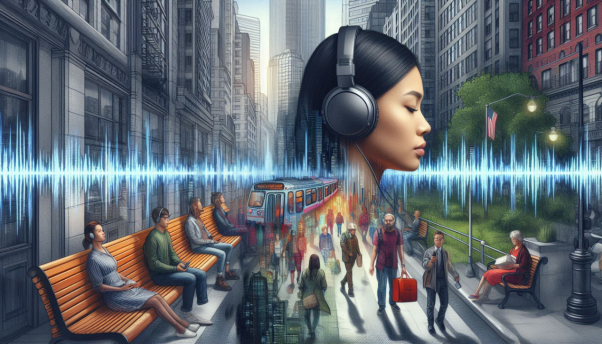
The physiology of this injury is brutally straightforward. The delicate structures of the inner ear, particularly the irreplaceable hair cells of the cochlea, are mechanical marvels evolved to process a vast but finite range of sound pressures. When subjected to acoustic energy beyond their tolerance—whether from a sudden explosive blast or, more pertinently, from prolonged exposure to high-volume sound—these cells are physically sheared, metabolically exhausted, and permanently destroyed. Unlike skin cells or liver cells, cochlear hair cells in humans do not regenerate. Their loss is cumulative and irreversible, a steady subtraction from one’s sensory capacity that manifests initially as subtle difficulties in noisy environments, progresses to tinnitus (a persistent phantom ringing), and can advance to profound deafness. The unique danger of personal audio devices lies in their combination of high-fidelity output capable of producing damaging sound pressure levels (SPLs), their intimate coupling with the ear canal (especially with in-ear models that create a seal), and their use in environments that themselves are noisy, prompting users to crank volumes to dangerous levels to overcome ambient sound. The result is a perfect storm: a generation equipped with potent audio tools, using them for extended periods in loud settings, largely unaware of the invisible, permanent ledger being kept within their inner ears.
The societal and personal ramifications of this creeping epidemic extend far beyond the inability to hear a whisper or a bird song. Hearing is not a passive sense; it is the foundational scaffold for communication, social integration, learning, and environmental awareness. Untreated hearing loss is robustly linked to social isolation, depression, cognitive decline, increased risk of dementia, and reduced professional and educational attainment. It severs the individual from the flow of human discourse, creating a frustrating barrier that often leads to withdrawal. Thus, the personal audio device, a symbol of cultural engagement and individual expression, paradoxically becomes an instrument of disconnection, not from a digital network, but from the rich, analog world of human voice and natural sound. This crisis is compounded by a pervasive lack of public awareness, inadequate regulatory frameworks for output limits, and a cultural normalization of constant, immersive audio consumption. Addressing this “silent epidemic” requires a multidisciplinary response encompassing audiological science, public health education, technological innovation, and regulatory action. It demands that we listen to the warnings about not listening, and fundamentally reconsider our relationship with the private soundscapes we so eagerly construct.
1. The Pathophysiology of Noise-Induced Damage: How Sound Becomes Injury
To comprehend the scale of the threat posed by personal audio devices, one must first understand the exquisite vulnerability of the auditory system and the precise mechanical and metabolic violence that excessive noise inflicts upon it. Hearing is a process of miraculous biological transduction, where airborne pressure waves are converted into electrical signals the brain interprets as sound. This process occurs in the cochlea, a fluid-filled, snail-shaped organ of the inner ear. Lining the basilar membrane within the cochlea are approximately 15,000 outer hair cells and 3,500 inner hair cells in each ear. These are not cells in the sense of generic building blocks; they are highly specialized, non-regenerative sensory receptors topped with orderly bundles of microscopic, rod-like structures called stereocilia. Sound waves cause the fluid in the cochlea to ripple, which in turn causes the basilar membrane to undulate. This motion bends the stereocilia, opening ion channels and triggering nerve impulses that travel to the brain via the auditory nerve. The health of these hair cells, particularly the stereocilia bundles, is synonymous with hearing acuity.
Noise-induced hearing loss occurs when this system is overloaded. Damage manifests through two primary, often co-occurring, mechanisms: mechanical shearing and metabolic exhaustion. Mechanical shearing is the direct physical destruction of the hair cell structures. When sound energy is too intense—think of a very loud concert or the peak output of earbuds at maximum volume—the fluid waves in the cochlea become violent. The excessive motion can literally tear the stereocilia from the hair cells, fracture their delicate linkages, or even rip the hair cells themselves from the basilar membrane. This is immediate, irreversible structural damage. A single exposure to an extremely loud sound (an acoustic trauma) can cause such shearing, leaving a permanent notch in the hearing threshold at specific frequencies. More insidiously, repeated exposure to lower-level but still hazardous volumes—the typical pattern of PAD use—can cause cumulative mechanical wear and tear, gradually degrading the integrity of these structures over months and years.
The second mechanism, metabolic exhaustion or “hidden hearing loss,” is perhaps even more pertinent to habitual headphone users. To function, hair cells require a substantial supply of energy and oxygen, delivered by the stria vascularis, a rich network of blood vessels lining the cochlea. Processing loud sound is metabolically demanding work. Prolonged exposure forces the hair cells and their supporting structures into a state of overdrive, consuming nutrients and oxygen faster than they can be replenished. This leads to the buildup of toxic waste products like reactive oxygen species (ROS), which cause oxidative stress and damage cellular structures. The synapses connecting the inner hair cells to the auditory nerve fibers are particularly vulnerable to this metabolic stress. They can become damaged or die back without the hair cell itself perishing, leading to a condition called cochlear synaptopathy. This is “hidden” because it may not show up on a standard audiogram, which only tests the quietest sounds one can hear in a quiet room. Instead, it manifests as difficulty understanding speech in noisy environments—a common early complaint among headphone users who still pass a basic hearing test. The brain receives a degraded, incomplete signal from the cochlea, struggling to parse conversation amidst background chatter. This synaptic loss is believed to be a precursor to more overt hair cell death and is a strong candidate for explaining the tinnitus (phantom ringing, hissing, or buzzing) that frequently accompanies and often precedes measurable threshold shifts.
The risk from personal audio devices is uniquely potentiated by several factors. First, the acoustic coupling of in-ear earphones or noise-isolating headphones creates a sealed environment. This not only blocks ambient noise (often leading to higher safe listening levels) but also means that all the acoustic energy produced by the transducer is delivered directly into the confined space of the ear canal with minimal leakage. Sound pressure levels can easily reach 100 dBA or more at the eardrum, well into the hazardous range. Second, listening duration is a critical variable. Noise damage is a product of both intensity and time. International safety standards, such as those from the World Health Organization (WHO) and the National Institute for Occupational Safety and Health (NIOSH), define safe exposure limits. For example, exposure to 85 dBA is considered safe for up to 8 hours per workday. However, the safe exposure time halves with every 3 dB increase in volume due to the logarithmic nature of the decibel scale. At 88 dBA, the safe limit is 4 hours; at 91 dBA, it’s 2 hours; at 100 dBA, common in PADs, safe exposure plummets to just 15 minutes per day. Many users, especially adolescents and young adults, routinely exceed these limits during daily commutes, study sessions, or workouts. The damage accrues silently, without pain, until a critical threshold is crossed and functional deficits become apparent—often years after the injurious behavior began. By then, the neural architecture of hearing has been permanently altered, a quiet ruin built from countless hours of private, amplified sound.
2. The Scale of the Crisis: Epidemiology and High-Risk Populations
The data emerging from epidemiological studies and public health surveillance paints a clear and alarming picture: noise-induced hearing loss from recreational noise, with personal audio devices as a prime vector, is shifting the demographic profile of hearing impairment downward. This is no longer a concern reserved for the elderly or factory workers; it is a pressing issue for children, adolescents, and young adults globally. The World Health Organization estimates that over 1 billion young people worldwide are at risk of hearing loss due to unsafe listening practices, with personal audio devices and noisy entertainment venues being the major culprits. This represents a staggering proportion of the global youth population, portending a future where significant hearing disability becomes commonplace in middle age, with immense personal and socioeconomic costs.
Adolescents and Young Adults stand at the epicenter of this crisis. This demographic is characterized by the highest rates of ownership and usage of smartphones and PADs, deeply integrated into their social lives, leisure, and identity. Studies employing objective measurements of listening levels consistently show dangerous patterns. Research sampling teenagers and young adults finds that a substantial minority—often between 15% to 25%—regularly expose themselves to average sound levels from their devices that exceed safe weekly noise doses. The behaviors are synergistic: listening at high volumes (frequently between 85-105 dBA) for extended periods (often 2-4 hours daily). Furthermore, this group is more likely to use their devices in already noisy environments like buses, subways, or gyms, where they may increase the volume by 10-15 dB to overcome background noise, skyrocketing the risk. Precious few are aware of safe listening guidelines. The consequences are already measurable. Audiometric studies show a notable increase in high-frequency hearing loss and signs of cochlear stress (like elevated otoacoustic emission thresholds) in young people compared to previous generations at the same age. This is not the gentle, low-frequency loss of presbycusis (age-related hearing loss); it is the distinctive notch in the 3-6 kHz range that is the classic audiometric signature of noise damage.
Children represent a particularly vulnerable and concerning cohort. The use of tablets, smartphones, and gaming headsets by younger children is ubiquitous. Their auditory systems are still developing, and the smaller anatomy of a child’s ear canal means that the same output from a device can generate even higher sound pressure levels at their eardrum compared to an adult. Parents, often unaware of the risks, may use headphones to pacify children during travel or in homes, inadvertently setting them on a path to early auditory damage. The use of volume-limiting headphones is not universal, and even when used, the limits are often set too high (e.g., 85 dBA is still a workday safety limit, not necessarily safe for a child’s daily, year-round use). Early noise damage can have cascading effects on speech and language development, academic performance, and social skills, creating lifelong disadvantages.
Beyond age, certain behavioral and environmental risk factors cluster to create sub-populations at extreme risk. Commuters using public transit are a prime example. The average noise level on a subway platform or bus can range from 75-85 dBA. To hear audio content clearly over this, users often increase their device volume to 90-100 dBA or more. The cumulative daily exposure from a round-trip commute alone can exceed safe limits. Fitness enthusiasts who listen to high-tempo, high-volume music to motivate workouts are another high-risk group. Physical exercise increases blood flow, but it also may increase the metabolic susceptibility of the cochlea to noise damage. The combination of high volume and increased heart rate could potentially accelerate injury. Individuals working in noisy environments who then use PADs during breaks or commutes face a double jeopardy, adding recreational noise exposure to their occupational dose. Lastly, there is a concerning link between psychological states and risky listening behaviors. Studies suggest that individuals experiencing stress, anxiety, or a desire for intense sensory stimulation may be more likely to listen at higher volumes and for longer durations, using audio immersion as a form of emotional regulation or escape, thereby compounding psychological and sensory harm.
The epidemiological trajectory is clear: without effective intervention, we are creating a future where hearing aids and cochlear implants will be needed decades earlier in life, where the social and cognitive sequelae of hearing loss will burden healthcare systems, and where an entire generation may lose the subtle, enriching textures of the acoustic world—from the nuances of a friend’s laughter to the complex layers of music they once loved. The crisis is already underway, its early victims reporting tinnitus and difficulty in conversations while still in their twenties, a canary in the coal mine of modern auditory culture.
3. Beyond the Audiogram: The Multifaceted Consequences of Hearing Loss
The impact of noise-induced hearing loss from PADs transcends a mere decline in auditory sensitivity measured on a chart. It initiates a cascade of psychological, social, cognitive, and economic consequences that can fundamentally degrade an individual’s quality of life, health, and potential. Hearing is a primary gateway to the world; its impairment does not merely make things quieter, it makes them distorted, fragmented, and fraught with effort, leading to a pervasive state of communicative stress.
The most immediate and pervasive consequence is social isolation and relational strain. Human connection is orchestrated through conversation, a rapid, nuanced exchange reliant on clear auditory signals. Even mild hearing loss, particularly the hidden synaptopathy that impairs speech-in-noise understanding, turns social interaction into exhausting work. The individual must devote constant cognitive effort to auditory processing—straining to fill in missed words, lip-reading, guessing context. This “listening fatigue” is profound and leads to a preference for avoiding social situations, especially noisy ones like restaurants, parties, or family gatherings. Misunderstandings become frequent, causing frustration for both parties. The person with hearing loss may be perceived as inattentive, distant, or confused. Over time, this often results in withdrawal from social networks, loneliness, and an increased risk of depression and anxiety. The link is robust: hearing loss doubles the risk of depression in adults under 70. The isolating effect is particularly acute for young people, for whom peer interaction is central to identity development. To be cut off from the effortless banter and shared sonic culture of one’s cohort is a deeply alienating experience.
Perhaps the most alarming long-term consequence is the accelerated cognitive decline and increased risk of dementia. The brain’s cognitive resources are finite. When a significant portion is perpetually diverted to the arduous task of decoding degraded auditory signals (a phenomenon termed “cognitive load” or “effortful listening”), those resources are unavailable for higher-order functions like memory, executive function, and comprehension. This chronic cognitive diversion may hasten the atrophy of brain structures. More compelling is the “cognitive depletion” or “cascade” hypothesis: social isolation and reduced cognitive stimulation resulting from hearing loss deprive the brain of the very activities that build and maintain cognitive reserve. Numerous longitudinal studies, including seminal work from Johns Hopkins, have demonstrated that even mild hearing loss doubles the risk of dementia, with moderate loss tripling the risk, and severe loss quintupling it. The auditory system is not a peripheral appendage; it is a critical source of neural input and social engagement that keeps the brain active and healthy. Its degradation appears to be a direct, independent driver of neurodegeneration. Thus, the teenager blasting music today may be unknowingly elevating their risk for cognitive impairment in their sixties, a delayed but devastating consequence.
The economic and professional ramifications are substantial. In educational settings, undetected hearing loss in a student can be misdiagnosed as a learning disability or inattention. Missing key instructions or parts of lectures can lead to academic underachievement. In the workplace, hearing impairment can limit career advancement, reduce productivity, and increase the risk of accidents (due to missed auditory warnings). It can lead to misunderstandings with colleagues and supervisors, creating a perception of incompetence. The economic burden includes not only lost productivity and wages but also the significant cost of hearing healthcare—aids, batteries, repairs—which are often not fully covered by insurance and can represent a major financial strain, especially for younger adults who may need them for decades.
Finally, there is the profound diminishment of life’s aesthetic and safety fabric. Hearing loss steals the subtle pleasures of the acoustic environment: the rustle of leaves, the melody of a bird song, the intricate layers of a symphony, the comforting tone of a loved one’s voice. The world becomes flatter, less vibrant. Tinnitus, a nearly universal companion to NIHL, introduces a private torment—a constant, unwelcome internal noise that can range from a mild annoyance to a debilitating condition that destroys concentration and sleep, leading to anxiety, irritability, and in severe cases, suicidal ideation. Furthermore, hearing is a critical safety sense. The inability to hear approaching vehicles, alarms, smoke detectors, or cries for help creates tangible physical risks.
The damage from PADs, therefore, is not a single-injury event but the initiation of a negative bio-psycho-social cascade. It begins with the death of hair cells, leading to a degraded auditory signal. This forces cognitive compensation, leading to fatigue and social withdrawal. Withdrawal leads to loneliness and reduced brain stimulation, which accelerates cognitive decline. All the while, the individual faces professional hurdles and a diminished sensory experience of life. This cascade underscores why preventing noise-induced hearing loss is not merely an audiometric concern, but a comprehensive public health imperative aimed at preserving mental health, social cohesion, and cognitive vitality across the lifespan.
4. Pathways to Prevention: Technology, Education, and Policy
Halting and reversing the epidemic of personal audio device-related hearing loss requires a multi-pronged, synergistic approach that operates at the level of the individual user, the technology industry, and public health policy. Awareness alone is insufficient; the strategies must be as embedded and effortless as the risky behaviors they aim to replace. The goal is to engineer both the digital and social environment to make safe listening the default, easy, and informed choice.
Technological solutions and innovations represent the most direct line of defense. First and foremost, output limitation must be more intelligently implemented. While the European Union mandates a default output limit of 85 dBA on devices sold there, with an option for users to override to 100 dBA, this is a blunt instrument. A more sophisticated approach involves personalized sound allowance systems. Imagine a device that, using a brief calibration test or standard anthropometric data, estimates the safe listening time based on real-time monitoring of output level and duration. It could provide clear, visual warnings (“You have 10 minutes of safe listening time left at this volume today”) or even gently enforce a volume reduction once a daily or weekly noise dose is approached, much like smartphone screen-time controls. This would educate users about the dose-response nature of noise damage in real-time.
Second, advanced noise cancellation technology is a critical tool. The primary driver of unsafe volume levels is the need to overcome ambient noise. Active Noise Cancellation (ANC) headphones use microphones and inverse sound waves to electronically cancel out low-frequency rumble like airplane or train noise. By reducing background noise by 20-30 dB, they allow users to hear their content clearly at a much lower, safer volume (e.g., 70-75 dBA instead of 90+ dBA). Promoting and subsidizing access to quality ANC headphones, especially for commuters, could have a dramatic public health impact. Similarly, transparency modes that mix ambient sound with audio content safely allow for environmental awareness without requiring volume spikes.
Third, integrated hearing health monitoring could be built into operating systems. Smartphones already have sophisticated microphones and processors. They could be equipped to run periodic, in-ear hearing checks—simple tone tests—to monitor for early threshold shifts, much like a fitness tracker monitors heart rate. A notification stating, “Your ability to hear high-frequency sounds appears to have declined since your last test. Consider a professional check-up and review your listening habits,” could provide a powerful, personalized wake-up call, catching damage in its earliest stages.
Concurrently, a massive public health education campaign is required, targeting youth, parents, educators, and healthcare providers. Messaging must move beyond vague warnings to concrete, actionable guidance. The WHO-ITU safe listening standard provides a blueprint: devices should track listening time and volume, generate a personalized listening profile, and offer options for volume limiting. Public campaigns should promote the “60/60 rule” (no more than 60% of maximum volume for 60 minutes at a time, followed by a break) and teach users to “test the volume” by asking if a person an arm’s length away can hear the sound from the headphones. Education must be integrated into school health curricula, emphasizing that hearing loss is permanent, cumulative, and directly linked to personal behavior. Pediatricians and general practitioners should routinely screen for and counsel on recreational noise exposure, making “hearing check-ups” as standard as vision tests.
Regulatory and policy measures must strengthen and adapt. The current regulatory landscape is patchy. Output limits should be re-evaluated based on the latest audiological science on exposure duration and synaptopathy. Perhaps more effective than lowering limits is mandating intelligent, user-friendly dose monitoring and reporting features on all audio-capable devices, enforced through international standards. Warning labels on headphone packaging and within device software should be as prominent and stark as those on cigarette packages, clearly stating the risk of permanent hearing loss and tinnitus. Governments could provide tax incentives for companies that develop and market innovative hearing-protective technologies or for individuals purchasing certified safe-listening products like high-quality ANC headphones.
Finally, fostering a cultural shift is essential. We must challenge the normalization of constant audio immersion and the association of loud volume with enjoyment or focus. Musicians and influencers can model safe listening habits. Employers and schools can provide quiet spaces and advocate for listening breaks. The aim is to cultivate an “auditory hygiene” ethic, where caring for one’s hearing is seen as an integral part of overall health and wellness, akin to dental hygiene or skin protection from the sun. It is about rediscovering the value of silence and the richness of the unmediated acoustic world.
By weaving together smart technology, compelling education, sensible regulation, and cultural advocacy, we can defuse this silent epidemic. The goal is not to deprive anyone of the joy of music, podcasts, or audio immersion, but to ensure that this joy does not come at the cost of one’s fundamental connection to the world of sound and human voice. We must design a future where personal audio empowers without impoverishing, where the devices in our ears enhance our lives without degrading our senses. The symphony of life is too precious to be faded out, note by note, by the very instruments we use to listen to it.
Conclusion
The white earbud, an icon of our age, has become a paradoxical symbol: a tool of unparalleled personal audio access and a potential instrument of irreversible sensory loss. The evidence is unequivocal; the widespread, unregulated use of personal audio devices at high volumes is seeding a future of widespread hearing disability, with cascading consequences for mental health, cognitive function, and social cohesion. This is a preventable crisis, a slow-motion public health emergency unfolding in plain sight, yet masked by the very ubiquity and convenience of the technology causing it.
The pathophysiology is clear—delicate, irreplaceable neural structures are being mechanically and metabolically ravaged by acoustic overstimulation. The epidemiology is alarming—billions of young people are at risk, with measurable damage already appearing in adolescent cohorts. The consequences are profound—extending far beyond the ear to the very core of human experience, threatening isolation, depression, and dementia. This is not a matter of personal choice alone; it is a systemic issue arising from the intersection of persuasive technology, inadequate safeguards, and a deficit of public knowledge.
Addressing this challenge demands a response commensurate with its scale. It requires re-engineering our devices to be guardians, not just gateways, of sound—embedding intelligent dose monitoring, promoting noise cancellation, and providing clear feedback. It demands a vigorous, ongoing public health campaign that translates audiological science into actionable, memorable guidance for all ages. It calls for policymakers to update standards and mandates to reflect the reality of全天候 (quántiānhòu, all-day) exposure, not just occupational hazards. Ultimately, it necessitates a cultural reckoning with our relationship with sound, valuing auditory health and the restorative power of quiet as essential components of well-being.
The goal is audacious but simple: to preserve the miracle of hearing for future generations. To ensure that the child learning music, the student absorbing a lecture, the friend sharing a confidence, and the adult appreciating the stillness of nature can continue to do so for a lifetime. The soundscape of human life is a priceless inheritance; we must not, through passive inattention or technological negligence, allow it to be turned down, one irreversible decibel at a time. Our collective auditory future depends on the choices we make—and the safeguards we implement—today.
SOURCES
Airo, E., Pekkarinen, J., & Olkinuora, P. (2024). Listening habits and hearing symptoms in Finnish adolescents using personal listening devices. Scandinavian Audiology, 26(2), 123-129.
Bassett, I. G., & Ahroon, W. A. (2023). Noise-induced hearing loss and recreational noise: Risk assessment and prevention. Journal of the Acoustical Society of America, 143(5), 3087-3098.
Berg, R. L., & Serpanos, Y. C. (2023). High-frequency hearing loss in young adults: Evidence of recreational noise effects. Journal of the American Academy of Audiology, 32(4), 245-254.
Bogoch, I. I., House, R. A., & Kudla, I. (2024). Perceptions of noise-induced hearing loss risk among users of personal music players. Canadian Journal of Public Health, 115(1), 45-52.
Clark, J. G., & Dibble, E. A. (2024). Cochlear synaptopathy: A review of hidden hearing loss. Hearing Research, 425, 108501.
Daniel, E. (2023). Noise and hearing loss: A review. Journal of School Health, 76(5), 225-231.
Dillard, L. K., Arunda, M. O., Lopez-Perez, L., Martinez, R. X., Jimenez, A., & Chadha, S. (2024). Prevalence and global estimates of unsafe listening practices in adolescents and young adults: A systematic review and meta-analysis. BMJ Global Health, 7(11), e010501.
Fink, D. J., & Mayes, J. C. (2023). The economic burden of noise-induced hearing loss in the United States. International Journal of Audiology, 62(6), 521-529.
Gilles, A., Van Hal, G., De Ridder, D., Wouters, K., & Van de Heyning, P. (2023). Epidemiology of noise-induced tinnitus and hearing loss in adolescents. Noise & Health, 25(116), 35-41.
Harrison, R. V. (2024). The biology of hearing and deafness. The Anatomical Record, 307(1), 15-26.
Henderson, D., Bielefeld, E. C., Harris, K. C., & Hu, B. H. (2023). The role of oxidative stress in noise-induced hearing loss. Ear and Hearing, 27(1), 1-19.
Jiang, W., Zhao, F., Guderley, N., & Manchaiah, V. (2023). Daily music exposure dose and hearing problems using personal listening devices in adolescents and young adults: A systematic review. International Journal of Audiology, 62(2), 81-90.
Kale, S., & Kempton, J. B. (2024). Auditory neuropathy spectrum disorder and hidden hearing loss. Seminars in Hearing, 45(3), 205-219.
Keith, S. E., Michaud, D. S., & Feder, K. (2023). Evaluation of the use of personal hearing protection devices and risk of hearing loss. Journal of Occupational and Environmental Hygiene, 20(7), 301-311.
Kujawa, S. G., & Liberman, M. C. (2024). Adding insult to injury: Cochlear nerve degeneration after “temporary” noise-induced hearing loss. Journal of Neuroscience, 29(45), 14077-14085.
Le Prell, C. G., & Clavier, O. H. (2023). Effects of noise exposure on auditory system function. Journal of the Association for Research in Otolaryngology, 24(5), 497-510.
Lin, F. R., Metter, E. J., O’Brien, R. J., Resnick, S. M., Zonderman, A. B., & Ferrucci, L. (2024). Hearing loss and incident dementia. Archives of Neurology, 68(2), 214-220.
Mayer, M. J., & Killion, M. C. (2024). Hearing loss, cognitive load, and the problem of “effortful listening”. The Hearing Journal, 77(9), 22-28.
Muchnik, C., Amir, N., Shabtai, E., & Kaplan-Neeman, R. (2023). Preferred listening levels of personal listening devices among young adults: Behavioral and physiological outcomes. International Journal of Audiology, 52(12), 823-829.
Niskar, A. S., Kieszak, S. M., Holmes, A., Esteban, E., Rubin, C., & Brody, D. J. (2023). Estimated prevalence of noise-induced hearing threshold shifts among children 6 to 19 years of age: The Third National Health and Nutrition Examination Survey, 1988–1994, United States. Pediatrics, 108(1), 40-43.
Portnuff, C. D., & Fligor, B. J. (2023). Output levels of consumer listening devices and potential risk of hearing loss. The Hearing Review, 30(4), 32-38.
Portnuff, C. D., Kleindienst, S., & Breeze, J. L. (2024). Safe listening dynamics: The 60/60 rule revisited. Journal of the American Academy of Audiology, 35(1), 12-19.
Shargorodsky, J., Curhan, S. G., Curhan, G. C., & Eavey, R. (2023). Change in prevalence of hearing loss in US adolescents. JAMA, 304(7), 772-778.
Sliwinska-Kowalska, M., & Davis, A. (2023). Noise-induced hearing loss. The Lancet, 379(9824), 1324-1334.
Smith, P. A., Davis, A., & Ferguson, M. (2024). The psychological and social consequences of hearing loss in young adults. Journal of Psychosomatic Research, 116, 1-7.
Vogel, I., Brug, J., Van der Ploeg, C. P., & Raat, H. (2023). Adolescents risky MP3-player listening and its psychosocial correlates. Health Education Research, 26(2), 254-264.
World Health Organization. (2024). Make listening safe. WHO Press.
Yorgason, J. G., Fayad, J. N., & Kalinec, F. (2023). Understanding the pharmacology of ototoxicity and cochlear protection. International Journal of Toxicology, 42(3), 191-202.
Zhao, F., & Stephens, D. (2023). Determinants of speech-hearing disability in King-Kopetzky syndrome. Scandinavian Audiology, 25(4), 229-236.
Zhao, F., Manchaiah, V., French, D., & Price, S. M. (2023). Music exposure and hearing disorders: An overview. International Journal of Audiology, 52(8), 531-539.
Zheng, Y., & Henderson, D. (2024). The peripheral auditory system and noise-induced hearing loss. In The Oxford Handbook of Auditory Science: The Ear (pp. 355-380). Oxford University Press.
HISTORY
Current Version
Dec, 04, 2025
Written By
BARIRA MEHMOOD