Introduction
In the span of a single generation, the architecture of daily life has been fundamentally rewired by digital screens. From the moment we wake to the glow of a smartphone alarm to the late-night scroll through social media feeds, our waking hours are increasingly mediated by the light of LCD and OLED displays. While this technological integration offers undeniable benefits in connectivity, information access, and entertainment, a burgeoning body of scientific evidence points to a significant and troubling corollary: excessive screen time is a substantial contributor to declining mental health across populations, particularly among adolescents and young adults.
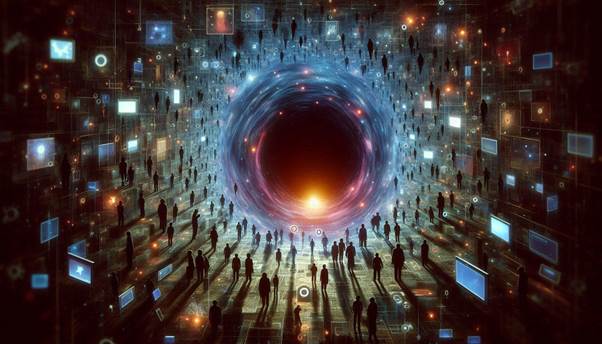
The term “excessive” moves beyond mere usage; it denotes a volume and pattern of engagement that displaces essential offline activities—sleep, physical exercise, face-to-face social interaction, and unstructured downtime—and begins to disrupt psychological and neurological processes. This is not a simplistic condemnation of technology, but an exploration of a complex, multi-faceted public health issue. The relationship between screens and mental well-being is mediated by both what we consume and how our brains and behaviors are altered by the medium itself. This examination will delve into four primary pathways through which excessive screen time erodes mental health: the disruption of sleep architecture and circadian rhythms; the exacerbation of social comparison and the degradation of authentic social connection; the cultivation of attention fragmentation and cognitive overload; and the potent reinforcement of addictive behaviors and passive consumption. Together, these intertwined mechanisms paint a compelling picture of how our digital habits are shaping, and too often harming, our inner worlds.
1. The Corrosion of Sleep: Disrupted Circadian Rhythms and Neural Restoration
The most direct and physiologically profound impact of excessive screen time, particularly in the evening, is its catastrophic effect on sleep, a cornerstone of mental health. This disruption operates on two critical levels: the hormonal and the neurological.
Firstly, screens emit significant amounts of blue light, a high-energy visible light spectrum to which the human circadian system is exquisitely sensitive. The suprachiasmatic nucleus in the hypothalamus, our body’s master clock, uses light cues, especially blue light, to regulate the production of melatonin, the hormone that signals sleepiness. When blue light hits photoreceptors in the eye after sunset, it sends a powerful false dawn signal to the brain, suppressing melatonin secretion sometimes by over 50%. The result is a delayed onset of sleep, as the body is chemically convinced it is still daytime. This is compounded by the psychologically activating nature of screen content—be it a stressful work email, a thrilling show, or a contentious social media thread—which elevates cortisol and arousal, further pushing sleep away.
Secondly, the consequence of this is not merely less sleep, but poorer quality sleep. The sleep architecture is fragmented. The vital deep sleep (slow-wave sleep) and rapid eye movement (REM) sleep stages, which are crucial for memory consolidation, emotional processing, and neural detoxification, are truncated and disrupted. Chronic sleep deprivation, even at mild levels, has a cascading effect on mental health. It impairs the prefrontal cortex, the brain’s executive control center, leading to increased emotional reactivity, reduced impulse control, and diminished capacity for rational thought. Simultaneously, it heightens activity in the amygdala, the brain’s fear and anxiety center, creating a neurological state primed for negativity, irritability, and stress. This creates a vicious cycle: poor sleep from screen use leads to anxiety and low mood the next day, which individuals may then attempt to self-soothe with more screen-based distraction, further impairing the next night’s sleep. Over time, this cycle is a significant risk factor for the development of clinical anxiety disorders, depression, and burnout. The screen, therefore, acts as a thief of the very restorative process that protects and repairs our mental well-being.
2. The Comparison Trap and the Erosion of Authentic Connection: Social Media’s Double-Edged Sword
While digital platforms promise unprecedented social connection, excessive engagement with them, especially social media, often yields the opposite: heightened loneliness, plummeting self-esteem, and a warped sense of reality. This paradox is rooted in the psychology of social comparison and the degradation of meaningful interaction.
Social media platforms are, by design, highlight reels and performance stages. Users predominantly curate and share moments of success, beauty, happiness, and adventure, often enhanced by filters and careful editing. For the excessive consumer, this constant exposure creates a relentless backdrop for upward social comparison—measuring one’s own ordinary, multifaceted life against the curated perfection of others. This fuels feelings of inadequacy, envy, and a phenomenon known as “Fear of Missing Out” (FoMO). The internal narrative becomes one of lack: “My life is less exciting, my body is less attractive, my achievements are less impressive.” For adolescents, whose identities are still forming, this can be particularly damaging, correlating strongly with increased rates of body dysmorphia, eating disorders, and depressive symptoms. The quantification of social worth through likes, shares, and follower counts externalizes self-validation, making esteem contingent on unstable and often unattainable digital metrics.
Furthermore, screen-based interaction often displaces face-to-face communication, which is rich in nonverbal cues like eye contact, tone of voice, and touch. These cues are fundamental for building empathy, trust, and deep emotional bonds. Digital communication, being largely textual and asynchronous, is impoverished in this regard. It can facilitate transactional contact but is less effective for the vulnerable, nuanced exchanges that foster true intimacy. Excessive screen time thus can lead to “connected loneliness”—being surrounded by online chatter yet feeling profoundly unseen and unsupported. The time spent passively scrolling or broadcasting to a broad audience is time not spent in the active, reciprocal, and empathically resonant conversations that fortify mental resilience. This erosion of authentic social connection, replaced by performance and comparison, strips away a key protective factor against mental illness, leaving individuals more isolated within a crowd of digital avatars.
3. Cognitive Overload and Attentional Fragmentation: The Shattered Mind
The modern digital ecosystem is engineered to capture and splinter attention. Excessive screen time subjects the brain to a state of continuous partial attention and information overload, with deleterious effects on cognitive function and emotional regulation.
Notifications, infinite scrolls, hyperlinks, and rapid-cut video content train the brain for constant stimulus-seeking and task-switching. This chronic multitasking does not make us more efficient; instead, it fractures sustained concentration, depletes cognitive resources, and impairs deep work. The brain’s default mode network, active during rest and introspection, is constantly interrupted, preventing the mind-wandering necessary for creativity, problem-solving, and self-reflection. This state of “attentional fragmentation” leaves individuals feeling mentally exhausted, a condition some researchers term “cognitive burnout.” The inability to focus on a single task without the urge to check a device fuels anxiety and a pervasive sense of being overwhelmed, as the cognitive load exceeds processing capacity.
Moreover, this environment creates a context of continuous low-grade stress. The brain remains in a state of heightened alert, anticipating the next ping or update, which keeps stress hormones like cortisol mildly elevated. This perpetual “fight-or-flight lite” mode undermines the ability to relax and be present, exacerbating symptoms of anxiety and attention-deficit disorders. The constant influx of information—much of it negative or alarming in the case of news and social media—can also lead to “doomscrolling,” where individuals become trapped in cycles of consuming distressing content, leading to feelings of helplessness, existential anxiety, and world-weariness. The brain is not designed for the globalized, 24/7 news and social feed; the resultant cognitive overload can manifest as mental fatigue, irritability, and a diminished capacity to manage everyday stressors, creating a fertile ground for anxiety and mood disorders to take root.
4. The Addiction Loop: Passive Consumption and the Loss of Agency
At its most extreme, excessive screen time crosses into behavioral addiction, characterized by a loss of control, compulsion, and continued use despite negative consequences. This is driven by the very same variable reward schedules that underpin slot machine design, powerfully hacking the brain’s dopamine system.
Dopamine is not simply a “pleasure chemical”; it is a “seeking and wanting” neurotransmitter that motivates reward-seeking behavior. Every notification, like, or new piece of content delivers an unpredictable, variable reward, triggering a dopamine release that reinforces the action (pulling to refresh, clicking a link). This creates a potent feedback loop: the brain is trained to seek the next digital hit, not necessarily because the content is deeply satisfying, but because the anticipation is chemically rewarding. Over time, this can lead to tolerance (needing more screen time for the same effect) and withdrawal symptoms (restlessness, irritability when disconnected).
This cycle promotes profoundly passive consumption. Hours can be lost in a state of “zombie scrolling,” where the individual consumes content mindlessly, not for genuine enrichment but out of compulsive habit. This passivity displaces active, effortful pursuits that build mastery and genuine self-esteem—such as learning an instrument, reading a complex book, engaging in a hobby, or exercising. The result is a double detriment: the dopamine system becomes dysregulated, requiring more stimulation for baseline satisfaction, while the sense of personal agency and accomplishment withers. This loss of agency—the feeling that one’s time and attention are being controlled by an external platform—is deeply disempowering and is linked to symptoms of depression, characterized by helplessness and anhedonia (loss of pleasure). The individual may want to stop but feels unable to, leading to shame and a negative self-view, further entrenching the cycle. The screen ceases to be a tool and becomes a trap, undermining autonomy and eroding the intrinsic motivation essential for mental well-being.
Conclusion
The evidence is clear: while digital technology is a neutral tool, its excessive use patterns are antithetical to core human needs for restorative sleep, authentic connection, sustained focus, and autonomous action. The pathways through which screens impair mental health—sleep disruption, toxic social comparison, cognitive fragmentation, and addictive passivity—are not isolated; they interact and amplify one another, creating a perfect storm for psychological distress. Addressing this issue requires moving beyond individual willpower and acknowledging the powerful design forces at play. It calls for digital literacy that understands these psychological impacts, intentional design ethics from technology companies, and personal strategies to reclaim agency over our attention. Cultivating a mindful and balanced digital diet is no longer merely a lifestyle choice but a critical act of mental hygiene in the 21st century. The goal is not to eliminate screens, but to subordinate them to human well-being, ensuring that we use our tools without letting our tools use us.
Conclusion
The cumulative evidence presented demonstrates that excessive screen time is not a benign feature of modern life but a significant and multi-faceted determinant of poor mental health. The interplay of physiological disruption, psychological harm, cognitive impairment, and behavioral addiction creates a synergistic negative impact. The blue light and stimulating content of screens systematically degrade sleep quality and quantity, undermining the neural foundations of emotional regulation. Social media platforms, while promising connection, often foster damaging social comparison and displace the rich, empathetic interactions necessary for true psychological well-being. Concurrently, the architecture of digital media fragments attention and induces cognitive overload, leaving individuals in a state of chronic stress and mental fatigue. Most insidiously, the variable reward schedules designed into these technologies can hijack the brain’s dopamine system, promoting compulsive use and passive consumption that erode personal agency and mastery. These pathways do not operate in isolation; poor sleep exacerbates anxiety, which fuels social comparison, which drives compulsive use, creating a self-perpetuating cycle of distress. Mitigating this public health challenge requires a systemic approach, including public education on digital literacy, ethical design reforms within the technology industry, and individual practices of intentional digital hygiene. Ultimately, fostering mental health in the digital age necessitates reclaiming control over our attention and time, ensuring that technology serves as a tool for human flourishing rather than a determinant of human dysfunction.
Sources
Abi-Jaoude, E., Naylor, K. T., & Pignatiello, A. (2020). Smartphones, social media use and youth mental health. Canadian Medical Association Journal, 192(6), E136–E141.
Alonzo, R., Hussain, J., Stranges, S., & Anderson, K. K. (2021). Interplay between social media use, sleep quality, and mental health in youth: A systematic review. Sleep Medicine Reviews, 56, 101414.
Beyens, I., Pouwels, J. L., van Driel, I. I., Keijsers, L., & Valkenburg, P. M. (2020). The effect of social media on the well-being of adolescents and young adults: A systematic review of observational and experimental studies. Computers in Human Behavior, 113, 106510.
Cain, N., & Gradisar, M. (2010). Electronic media use and sleep in school-aged children and adolescents: A review. Sleep Medicine, 11(8), 735–742.
Firth, J., Torous, J., Stubbs, B., Firth, J. A., Steiner, G. Z., Smith, L., Alvarez-Jimenez, M., Gleeson, J., Vancampfort, D., Armitage, C. J., & Sarris, J. (2019). The “online brain”: How the Internet may be changing our cognition. World Psychiatry, 18(2), 119–129.
Houghton, S., Lawrence, D., Hunter, S. C., Rosenberg, M., Zadow, C., Wood, L., & Shilton, T. (2018). Reciprocal relationships between trajectories of depressive symptoms and screen media use during adolescence. Journal of Youth and Adolescence, 47(11), 2453–2467.
Kardefelt-Winther, D. (2017). How does the time children spend using digital technology impact their mental well-being, social relationships and physical activity? An evidence-focused literature review. *Innocenti Discussion Paper 2017-02*, UNICEF Office of Research.
Lissak, G. (2018). Adverse physiological and psychological effects of screen time on children and adolescents: Literature review and case study. Environmental Research, 164, 149–157.
Orben, A., & Przybylski, A. K. (2019). The association between adolescent well-being and digital technology use. Nature Human Behaviour, 3(2), 173–182.
Przybylski, A. K., & Weinstein, N. (2017). A large-scale test of the goldilocks hypothesis: Quantifying the relations between digital-screen use and the mental well-being of adolescents. Psychological Science, 28(2), 204–215.
Twenge, J. M., & Campbell, W. K. (2018). Associations between screen time and lower psychological well-being among children and adolescents: Evidence from a population-based study. Preventive Medicine Reports, 12, 271–283.
Valkenburg, P. M., Meier, A., & Beyens, I. (2022). Social media use and its impact on adolescent mental health: An umbrella review of the evidence. Current Opinion in Psychology, 44, 58–68.
Zhao, Y., Sznajder, K., Cheng, D., Wang, S., Cui, C., & Yang, X. (2022). Mechanisms underlying the association between digital screen engagement and mental health in adolescence: A systematic review. Computers in Human Behavior, 129, 107159.
HISTORY
Current Version
Dec, 06, 2025
Written By
BARIRA MEHMOOD