In the perpetual glow of screens that now defines modern life, a silent and pervasive epidemic is eroding the foundation of human health: sleep. The marriage of technology overuse and sleep disorders represents one of the most significant public health challenges of the 21st century. We live in an era of unprecedented connectivity, where smartphones, tablets, laptops, and streaming services offer endless engagement, information, and entertainment.
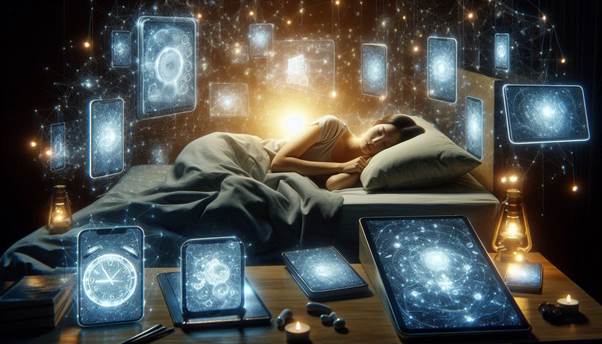
This digital immersion, however, comes at a profound cost to our circadian rhythms and sleep architecture. Sleep, once a predictable refuge, has become a battleground where the intrusive blue light of devices, the relentless ping of notifications, and the psychological pull of social media conspire to shorten, fragment, and degrade our rest. The consequence is a population increasingly suffering from chronic sleep deprivation and a spectrum of sleep disorders, from insomnia to delayed sleep-wake phase disorder, with cascading effects on mental acuity, emotional stability, metabolic health, and overall longevity. This exploration delves into the mechanistic, psychological, and societal pathways through which technology overuse disrupts sleep, examining the evidence, the vulnerable populations, and the potential pathways to reclaiming rest in a world that never sleeps.
1. The Mechanisms of Disruption: How Technology Hijacks the Sleep-Wake Cycle
The human sleep-wake cycle is governed by a delicate internal clock known as the circadian rhythm, which is synchronized primarily by light cues. The invention of artificial light was the first major technological disruption to this system, but the advent of personal, emissive screens has escalated this disruption to a constant, intimate level. The primary physiological mechanism by which technology impinges on sleep is through exposure to short-wavelength blue light. Devices like LEDs, smartphones, and tablets emit high levels of this light spectrum, which is particularly effective at suppressing the production of melatonin, the hormone secreted by the pineal gland that signals darkness and prepares the body for sleep. When individuals use these devices in the hours before bedtime—a near-universal habit in contemporary society—the brain receives a potent signal that it is still daytime. Melatonin release can be delayed by hours, pushing back the onset of sleep, shortening the overall sleep duration, and reducing the quality of sleep by disrupting the natural progression through sleep stages, particularly deep, restorative slow-wave sleep.
Beyond the photobiological effect, technology use creates a state of cognitive and physiological arousal that is antithetical to the wind-down process necessary for sleep. Engaging with stimulating content—be it a tense work email, a thrilling video game, a dramatic television series, or a contentious social media debate—activates the sympathetic nervous system, increasing heart rate, elevating stress hormones like cortisol, and engaging the mind in problem-solving or emotional processing. This heightened state of alertness is the direct opposite of the parasympathetic “rest and digest” state required for sleep initiation. Furthermore, the interactive nature of much modern technology, requiring decision-making and active engagement, is far more disruptive than passive forms like reading a physical book under soft light. The constant stream of information overloads the brain, making it difficult to achieve the mental quietude essential for falling asleep. This combination of biological clock disruption and psychological stimulation forms a powerful one-two punch that undermines both the ability to fall asleep (sleep latency) and the ability to stay asleep (sleep maintenance), laying the groundwork for clinical insomnia.
Finally, the very structure of our technology is designed to fragment attention and, by extension, sleep. The phenomenon of “sleep procrastination” or “revenge bedtime procrastination”—where individuals sacrifice sleep for personal leisure time on devices, often as a way to reclaim agency from demanding daytime schedules—is directly facilitated by portable, engaging technology. Additionally, the omnipresence of devices in the bedroom means sleep is vulnerable to interruption. Audible notifications or even the silent vibration of a phone can cause micro-arousals, pulling an individual out of deep sleep cycles. The temptation to “check just one thing” in the middle of the night, often during a natural awakening, can reintroduce sleep-delaying light and mental stimulation, leading to fragmented and non-restorative sleep. Thus, the mechanisms are multifaceted: a biological attack on melatonin, a psychological induction of arousal, and a behavioral encouragement of delay and interruption, all converging to degrade sleep integrity.
2. The Spectrum of Sleep Disorders Linked to Digital Overuse
Chronic technology overuse does not merely cause poor sleep; it is a significant etiological and exacerbating factor in a range of clinically defined sleep disorders. The most prevalent is insomnia disorder, characterized by persistent difficulty initiating or maintaining sleep despite adequate opportunity. The pre-sleep cognitive arousal (“my mind won’t shut off”) and the conditioned anxiety around the bedtime ritual—often associated with frustration over being unable to disconnect—are directly fueled by problematic technology habits. The bed, once a powerful cue for sleep, can become associated with alertness and screen time, a classic example of poor sleep hygiene that perpetuates insomnia.
A disorder particularly emblematic of the digital age is Delayed Sleep-Wake Phase Disorder (DSWPD). Individuals with DSWPD have a circadian rhythm that is significantly shifted later than conventional or desired times. They are extreme “night owls,” unable to fall asleep until the early morning hours and struggling to wake for daytime obligations. The pervasive use of light-emitting devices late into the night is a primary environmental driver of this delay. By consistently providing a circadian phase-delaying signal in the evening, technology use can entrain a person’s internal clock to a later schedule, making it biologically challenging to fall asleep earlier. This creates a vicious cycle where individuals, unable to sleep, turn to their devices, further delaying their clock the next night.
Technology overuse also severely disrupts sleep-related breathing disorders like obstructive sleep apnea (OSA). While it does not cause OSA directly, the sedentary lifestyle promoted by prolonged screen time contributes to obesity, a major risk factor for OSA. Furthermore, poor sleep quality due to technology use can increase sleep deprivation, which in turn worsens the severity of apnea episodes and reduces the drive to wake and breathe. Perhaps more insidiously, individuals with undiagnosed sleep apnea often experience extreme daytime sleepiness, which they may mistakenly counter with stimulants like caffeine or further engaging digital content, neglecting the underlying condition and exacerbating their overall sleep debt.
Other sleep disorders are also implicated. Restless Legs Syndrome (RLS) sensations can be more acutely felt during periods of sedentary technology use in the evening. Circadian rhythm disorders in shift workers are amplified by inappropriate light exposure from devices during their designated sleep periods. Even parasomnias like sleepwalking or confusional arousals can be triggered by sleep fragmentation and deep sleep deprivation caused by erratic, technology-driven sleep schedules. The relationship is often bidirectional: poor sleep can lead to increased daytime use of technology as a coping mechanism for fatigue, which then further degrades nighttime sleep, trapping the individual in a self-perpetuating cycle of disorder and dysfunction.
3. Vulnerable Populations: Children, Adolescents, and the Always-On Professional
While technology overuse affects all demographics, certain populations are disproportionately vulnerable due to developmental, social, and professional pressures. Children and adolescents are at the forefront of this crisis. Their developing brains are highly sensitive to circadian disruption, and their need for sleep is greater than that of adults. The intrusion of screens into bedrooms is nearly normative, with tablets and smartphones serving as digital pacifiers, entertainment hubs, and social lifelines. The impact is severe: studies consistently link screen time before bed in children to shorter total sleep time, longer sleep onset latency, and increased daytime sleepiness. This sleep deprivation impairs cognitive development, academic performance, emotional regulation, and is linked to increased risks of anxiety, depression, and obesity. The social dynamics of adolescents, for whom peer connection is paramount, make platforms like Instagram, TikTok, and messaging apps incredibly compelling, fostering a fear of missing out (FOMO) that can keep them scrolling late into the night. The pressure to be perpetually available online directly conflicts with their biological need for 8-10 hours of uninterrupted sleep.
The “always-on” professional represents another high-risk group. The erosion of boundaries between work and home, accelerated by remote and hybrid work models, means the laptop and smartphone are constant companions. The expectation to answer emails late at night or to be available across time zones creates persistent low-level anxiety and makes true disconnection impossible. The pre-sleep period, crucial for winding down, is often consumed by checking and responding to work communications, importing the day’s stresses directly into the bedroom. This professional overuse is linked to high rates of burnout, with sleep disturbance being a core symptom. The professional’s technology use is often framed as necessary and productive, making it harder to recognize as a harmful behavior and to justify setting firm boundaries.
Other vulnerable groups include individuals with pre-existing mental health conditions, such as anxiety or depression, who may use technology as a form of avoidance or maladaptive coping, thereby worsening the sleep disturbances inherent to their conditions. The elderly, while sometimes stereotyped as less tech-savvy, are increasingly connected and can suffer from similar disruptions, compounded by age-related changes in sleep architecture. For all these groups, the technology is not merely a tool but an environmental and behavioral factor that actively shapes their sleep pathology, demanding tailored interventions that address their specific motivations and constraints.
4. Mitigation and Reclamation: Strategies for Healthy Sleep in a Digital World
Reversing the tide of technology-induced sleep disorders requires a multi-pronged approach encompassing personal behavior change, technological design ethics, and broader public health awareness. At the individual level, the foundation is practicing rigorous sleep hygiene with a digital focus. The most effective single intervention is establishing a “digital curfew” 60-90 minutes before bedtime, creating a buffer zone devoid of screens. This time should be filled with relaxing, low-light activities such as reading a physical book, gentle stretching, meditation, or taking a warm bath. The bedroom environment must be sanctified as a place for sleep and intimacy only; charging phones and other devices outside the bedroom overnight eliminates the temptation to check them and removes a source of disruptive notifications and electromagnetic fields. For those who must use devices in the evening, system-level and software solutions can help: enabling “Night Shift” or “Blue Light Filter” modes, using applications that gradually reduce screen brightness and color temperature after sunset, and wearing blue-light-blocking glasses can mitigate, though not eliminate, the melatonin-suppressing effects.
On a technological and societal level, responsibility must shift from the individual to the designers and purveyors of the devices and platforms. The current economy of attention, where user engagement is monetized, creates inherent incentives to design addictive products that discourage disconnection. An ethical redesign is needed, featuring built-in “wind-down” modes that lock out non-essential functions at a scheduled time, less intrusive notification systems that batch alerts, and features that encourage and track digital disengagement. Public health campaigns, akin to those for smoking or seatbelt use, are needed to educate the public, particularly parents and schools, about the direct link between screen time and sleep health. Pediatricians should include “media diets” and bedroom screen inventories as standard questions during well-child visits.
Ultimately, cultivating a healthier relationship with technology requires a cultural shift in how we value sleep and leisure. It involves recognizing that constant connectivity is not a symbol of productivity or importance, but a threat to fundamental health. It means redefining leisure not as mindless scrolling, but as engaged, offline activities that truly restore. Employers can contribute by establishing clear policies against after-hours communication. By combining personal discipline with smarter technology design and a societal re-prioritization of rest, we can begin to disentangle the knot linking our devices to our disorders. The goal is not to reject technology, but to harness it in a way that serves our biological need for deep, restorative sleep, thereby protecting our cognitive, physical, and emotional well-being in the digital century.
In conclusion, the nexus of technology overuse and sleep disorders is a defining health challenge, rooted in the fundamental conflict between our ancient biology and our modern digital environment. The evidence is clear: the light, the content, and the very presence of our devices are dismantling the architecture of sleep through distinct physiological and psychological pathways. This disruption manifests across a clinical spectrum of disorders, from widespread insomnia to circadian rhythm disruptions, with particularly severe consequences for the developing minds of the young and the stressed lives of the perpetually connected. Addressing this epidemic demands more than individual willpower; it requires a concerted effort to redesign our technology, reform our habits, and revive our cultural respect for sleep. The path forward lies in creating a sustainable digital ecosystem where technology enhances our lives without robbing us of the foundational biological process that sustains them. Our future health, productivity, and happiness depend on our ability to turn off the screens and reclaim the night.
Conclusion
The pervasive integration of digital technology into daily life has fundamentally altered the human relationship with sleep, creating a silent public health crisis. As this analysis has demonstrated, technology overuse disrupts sleep through a powerful convergence of biological, psychological, and behavioral mechanisms. The emission of sleep-suppressing blue light, the induction of cognitive and emotional arousal, and the encouragement of sleep procrastination collectively degrade both the quantity and quality of restorative rest. These disruptions are not mere inconveniences but are directly implicated in the etiology and exacerbation of clinical sleep disorders, including insomnia, Delayed Sleep-Wake Phase Disorder, and sleep-related breathing disturbances. The consequences are particularly acute for vulnerable populations such as children, adolescents, and always-on professionals, whose developmental needs and lifestyle demands are disproportionately undermined by chronic screen engagement.
Mitigating this crisis requires a paradigm shift that moves beyond blaming individual willpower. Effective solutions must be systemic, involving personal commitment to rigorous digital sleep hygiene, a fundamental redesign of technology to promote disengagement rather than addiction, and a broader cultural revaluation of sleep as non-negotiable for health and productivity. The evidence is unequivocal: reclaiming rest in the digital age is imperative. The goal must be to foster a sustainable synergy between our technological advancements and our biological imperatives, ensuring that the tools designed to connect and inform us do not ultimately impoverish the very foundation of our well-being. The path forward lies in conscious disconnection, empowering individuals and societies to silence the notifications and preserve the sanctity of the night, thereby safeguarding cognitive function, emotional resilience, and long-term health.
Sources
Alter, A. (2017). Irresistible: The rise of addictive technology and the business of keeping us hooked. Penguin Press.
Cain, N., & Gradisar, M. (2010). Electronic media use and sleep in school-aged children and adolescents: A review. Sleep Medicine, 11(8), 735–742.
Chang, A. M., Aeschbach, D., Duffy, J. F., & Czeisler, C. A. (2015). Evening use of light-emitting eReaders negatively affects sleep, circadian timing, and next-morning alertness. Proceedings of the National Academy of Sciences, 112(4), 1232–1237.
Exelmans, L., & Van den Bulck, J. (2016). Bedtime mobile phone use and sleep in adults. Social Science & Medicine, 148, 93–101.
Gradisar, M., Wolfson, A. R., Harvey, A. G., Hale, L., Rosenberg, R., & Czeisler, C. A. (2013). The sleep and technology use of Americans: Findings from the National Sleep Foundation’s 2011 Sleep in America poll. Journal of Clinical Sleep Medicine, 9(12), 1291–1299.
Hale, L., & Guan, S. (2015). Screen time and sleep among school-aged children and adolescents: A systematic literature review. Sleep Medicine Reviews, 21, 50–58.
Hysing, M., Pallesen, S., Stormark, K. M., Jakobsen, R., Lundervold, A. J., & Sivertsen, B. (2015). Sleep and use of electronic devices in adolescence: Results from a large population-based study. BMJ Open, 5(1), e006748.
LeBourgeois, M. K., Hale, L., Chang, A. M., Akacem, L. D., Montgomery-Downs, H. E., & Buxton, O. M. (2017). Digital media and sleep in childhood and adolescence. Pediatrics, 140(Suppl 2), S92–S96.
Perrault, A. A., Bayer, L., Peuvrier, M., Afyouni, A., Ghisletta, P., Brockmann, C., Spiridon, M., Vesely, S. H., Haller, D. M., Pichon, S., Perrig, S., Schwartz, S., & Sterpenich, V. (2019). Reducing the use of screen electronic devices in the evening is associated with improved sleep and daytime vigilance in adolescents. Sleep, 42(9), zsz125.
Rosen, L. D., Lim, A. F., Felt, J., Carrier, L. M., Cheever, N. A., Lara-Ruiz, J. M., Mendoza, J. S., & Rokkum, J. (2014). Media and technology use predicts ill-being among children, preteens and teenagers independent of the negative health impacts of exercise and eating habits. Computers in Human Behavior, 35, 364–375.
Twenge, J. M., & Campbell, W. K. (2018). Associations between screen time and lower psychological well-being among children and adolescents: Evidence from a population-based study. Preventive Medicine Reports, 12, 271–283.
Walker, M. P. (2017). Why we sleep: Unlocking the power of sleep and dreams. Scribner.
Weaver, M. D., Barger, L. K., Malone, S. K., Anderson, L. S., & Klerman, E. B. (2021). Dose-dependent associations between sleep duration and unsafe behaviors among US high school students. JAMA Pediatrics, 175(1), 97–99.
HISTORY
Current Version
Dec, 06, 2025
Written By
BARIRA MEHMOOD