Introduction
Chronic pain represents one of the most pervasive, debilitating, and costly public health challenges worldwide, with a profound and disproportionate impact on women. Epidemiological data consistently reveal that women are at a significantly greater risk than men for developing a wide array of chronic pain syndromes, including fibromyalgia, migraine and tension-type headaches, irritable bowel syndrome (IBS), temporomandibular joint disorder (TMJ), chronic widespread pain, and many autoimmune-related pain conditions. This gender disparity cannot be explained solely by biological sex differences; rather, it points to a complex, multifactorial interplay where psychosocial factors, particularly stress, serve as a critical catalyst and perpetuator. While acute pain functions as a vital protective signal, chronic pain is a maladaptive disease state of the nervous system itself, characterized by central sensitization, dysfunctional pain modulation, and neuroimmune dysregulation. The transition from acute to chronic pain is a precarious journey, and mounting evidence positions psychological and physiological stress as a primary accelerator on this path, especially for women.
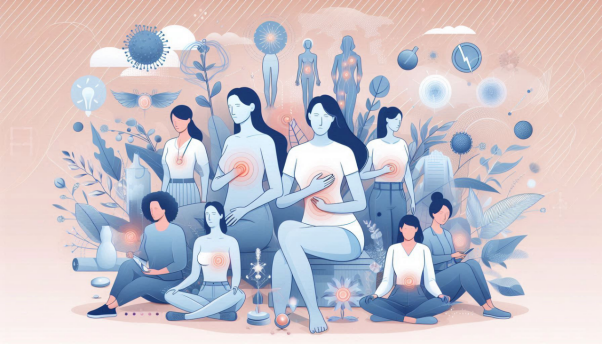
The relationship between stress and pain is bidirectional and synergistic—a vicious cycle where pain amplifies stress, and stress, in turn, exacerbates pain perception, disability, and suffering. For women, this cycle is embedded within a unique context of gendered stressors, hormonal fluctuations, and societal expectations that shape both the experience of stress and the expression of pain. From the cellular level of glial cell activation in the spinal cord to the systemic level of hypothalamic-pituitary-adrenal (HPA) axis dysregulation, and further to the psychosocial level of trauma, caregiving burden, and invalidation, stress infiltrates and disrupts the very mechanisms that govern pain processing. Understanding stress not merely as a comorbid condition but as a fundamental etiological trigger is therefore essential to unraveling the mystery of chronic pain’s prevalence in women. This paper will delve into the intricate mechanisms linking stress to chronic pain, with a specific focus on women’s health. It will proceed through four critical examinations: first, by exploring the neurobiological and psychoneuroimmunological pathways through which stress triggers and maintains central sensitization; second, by analyzing the modulating role of female reproductive hormones in the stress-pain nexus; third, by investigating the impact of gendered and traumatic life stressors as specific vulnerability factors; and fourth, by evaluating integrated, biopsychosocial treatment approaches that target the stress-pain cycle. Through this comprehensive analysis, we aim to illuminate why women are disproportionately affected and how interventions can be more effectively tailored to break this debilitating connection.
1. Neurobiological and Psychoneuroimmunological Pathways: From Stress to Central Sensization
At the heart of the stress-pain connection lies the phenomenon of central sensitization—a state of heightened responsiveness and hyperexcitability within the central nervous system (CNS) to normal or subthreshold sensory inputs. Stress acts as a potent driver of this maladaptive plasticity through a cascade of interrelated neurobiological and immune-mediated events. The primary pathway begins with the activation of the body’s stress response systems: the sympathetic nervous system (SNS) and the HPA axis. In the face of a perceived threat, the SNS initiates the “fight-or-flight” response, releasing catecholamines like norepinephrine and epinephrine. While adaptive acutely, chronic SNS activation leads to a pro-inflammatory state. Norepinephrine, for instance, can bind to adrenergic receptors on immune cells, promoting the release of pro-inflammatory cytokines such as tumor necrosis factor-alpha (TNF-α), interleukin-1 beta (IL-1β), and interleukin-6 (IL-6). Simultaneously, the HPA axis orchestrates the release of cortisol, a glucocorticoid intended to suppress inflammation and restore homeostasis. However, under conditions of chronic or traumatic stress, the HPA axis can become dysregulated, manifesting as cortisol blunting (low cortisol) or a flattened diurnal rhythm, which impairs the body’s ability to adequately control inflammatory processes.
This stress-induced neuroinflammation is a key mediator of central sensitization. Pro-inflammatory cytokines can cross the blood-brain barrier and activate microglia, the resident immune cells of the CNS. Activated microglia release a further barrage of inflammatory mediators and neuroexcitatory substances (e.g., brain-derived neurotrophic factor, glutamate, and more cytokines) into the spinal cord dorsal horn and brain regions involved in pain processing, such as the amygdala, anterior cingulate cortex, and insula. This biochemical cascade enhances synaptic transmission, reduces inhibitory control via GABAergic and opioidergic pathways, and facilitates long-term potentiation—essentially “turning up the volume” on pain signaling. The brain’s pain matrix becomes hypervigilant, interpreting benign stimuli (like light touch or normal bowel movements) as painful (allodynia) and amplifying the intensity of painful stimuli (hyperalgesia). Furthermore, chronic stress and the resulting glucocorticoid dysregulation can lead to atrophy in brain regions like the hippocampus and prefrontal cortex, which are crucial for top-down inhibition of pain and stress responses, while potentiating the amygdala’s fear and threat assessment functions. This neural remodeling creates a neuroanatomical substrate for a heightened pain experience and impaired coping. For women, emerging research suggests a particular susceptibility to these neuroimmune mechanisms. The female brain may exhibit a more robust neuroinflammatory response to stress and immune challenges, partly mediated by interactions between sex hormones and glial cells. Thus, the biological stage is set for stress to act as a powerful trigger, transforming the nervous system into a persistent generator of pain even in the absence of ongoing peripheral injury.
2. The Modulating Role of Female Reproductive Hormones in the Stress-Pain Cycle
The unique hormonal milieu of women represents a critical, dynamic layer of modulation superimposed upon the core neurobiological pathways linking stress and pain. Estrogen, progesterone, and oxytocin interact intricately with stress systems and pain pathways, creating windows of vulnerability and resilience across the reproductive lifespan. Estrogen, in particular, exhibits a complex, dose- and context-dependent relationship with both stress reactivity and pain perception. Generally, estradiol is considered to have neuroprotective and anti-inflammatory effects in the brain and can enhance mood and pain modulation. However, it also has excitatory effects on the nervous system and can lower the threshold for neuronal activation. The cyclical fluctuations of estrogen and progesterone during the menstrual cycle are mirrored by changes in pain sensitivity and stress reactivity. For many women with conditions like migraine, fibromyalgia, and IBS, pain symptoms escalate during the late luteal phase, when estrogen and progesterone levels plummet precipitously. This premenstrual phase is not only a time of hormonal withdrawal but also a period of relative HPA axis hyperactivity and increased inflammatory signaling, creating a “perfect storm” for pain exacerbation. The perimenopausal transition, characterized by erratic and ultimately declining estrogen levels, is another high-risk period for the onset or worsening of chronic pain syndromes, further implicating hormonal instability as a key vulnerability factor.
Progesterone and its neuroactive metabolites, such as allopregnanolone, primarily exert inhibitory, calming effects on the CNS by potentiating GABA-A receptor activity. This has antianxiety, analgesic, and neuroprotective implications. Stress, however, can disrupt the production of these calming neurosteroids. Chronic stress may lead to a state of “functional progesterone withdrawal,” even if circulating levels are normal, by downregulating the enzymes needed to convert progesterone into its active metabolites. This leaves the nervous system in a state of relative disinhibition, more prone to excitability and pain. Oxytocin, often dubbed the “bonding” or “tend-and-befriend” hormone, plays a significant yet understudied role. Released in response to stress, particularly social support, oxytocin has antinociceptive (pain-blocking) properties and can dampen amygdala activity and HPA axis output. Women typically have higher baseline oxytocin levels and greater oxytocin release in response to stressors compared to men. However, early life adversity or chronic relational stress can disrupt the oxytocin system, blunting its stress-buffering and analgesic effects. This hormonal interplay means that for women, the impact of any given stressor on pain is filtered through the ever-changing lens of their reproductive endocrine state. A stressful event experienced during the mid-follicular phase (higher, stable estrogen) may be weathered differently than the same event experienced premenstrually. Understanding these modulatory effects is crucial for recognizing why women are disproportionately affected and for timing interventions, as hormonal phases can influence the efficacy of both pharmacological and psychological treatments for stress-related pain.
3. Gendered and Traumatic Stressors: Specific Vulnerability Factors for Women
Beyond universal stressors, women are exposed to a higher prevalence and unique constellation of gender-specific stressors that directly fuel the development and maintenance of chronic pain. These experiences act as potent psychosocial triggers that converge with biological vulnerabilities to establish a deeply ingrained pain state. One of the most significant and damaging factors is a history of trauma, particularly interpersonal trauma such as childhood abuse (physical, sexual, emotional) and adult experiences of intimate partner violence or sexual assault. Epidemiological studies consistently find extraordinarily high rates of such trauma in women with chronic pain conditions like fibromyalgia, chronic pelvic pain, and migraine. Trauma, especially when early and severe, induces a persistent state of hypervigilance and physiological dysregulation—a form of toxic stress that reprograms the stress and pain systems. It is strongly associated with HPA axis blunting, elevated inflammatory markers, and structural and functional changes in brain regions involved in threat detection (amygdala) and pain modulation (prefrontal cortex, hippocampus). This trauma-induced biology predisposes individuals to central sensitization, where the nervous system remains on high alert, interpreting a wide range of sensations as threatening and painful. Furthermore, the psychological sequelae of trauma—post-traumatic stress disorder (PTSD), dissociation, and emotion dysregulation—directly exacerbate pain through attention to threat, catastrophic thinking, and avoidance behaviors that reduce activity and increase disability.
In addition to acute trauma, women disproportionately shoulder the burden of chronic, daily stressors related to gendered social roles. The “second shift” of unpaid domestic labor and caregiving—for children, aging parents, and often partners—creates a backdrop of chronic strain, time pressure, and role overload. This unrelenting demand is linked to physiological wear and tear (high allostatic load), sleep disruption, and limited time for self-care and health-promoting activities, all of which lower the threshold for pain. Societal and medical gender biases also constitute a form of chronic stress. Women’s pain reports are more likely to be dismissed, psychologized, or attributed to emotional causes rather than receiving serious biomedical investigation—a phenomenon termed “pain invalidation.” This diagnostic odyssey of not being believed is itself a profound stressor, leading to frustration, self-doubt, and medical trauma, which further activate stress pathways and worsen pain. The cumulative impact of these gendered stressors—from traumatic violence to the grinding strain of caregiving and the battle for clinical legitimacy—creates a psychosocial environment that constantly challenges a woman’s stress response systems. When these systems become overwhelmed and dysregulated, as they so often do under such loads, the stage is set for the emergence and persistence of chronic pain. The pain, in this context, can be understood not only as a neurological phenomenon but also, in part, as an embodied expression of this cumulative stress burden.
4. Integrated Biopsychosocial Treatment Approaches Targeting the Stress-Pain Cycle
Given the intricate intertwining of stress and pain, effective management demands a paradigm shift from a purely biomedical, disease-centric model to an integrated, biopsychosocial framework. This approach simultaneously targets the biological, psychological, and social dimensions of the stress-pain cycle, recognizing that interventions must dampen neuroinflammation, recalibrate maladaptive neuroplasticity, and address the psychosocial stressors that fuel the fire. First-line psychological interventions with strong empirical support include Cognitive Behavioral Therapy for chronic pain (CBT-CP) and mindfulness-based modalities. CBT-CP helps patients identify and reframe catastrophic pain-related thoughts (“This pain is destroying my life”), reduce fear-avoidance behaviors (where fear of pain leads to inactivity, which then increases disability and pain), and develop active coping strategies. By changing the cognitive and behavioral response to pain, CBT-CP can reduce perceived stress, alter the brain’s pain processing, and improve function. Mindfulness-Based Stress Reduction (MBSR) and Acceptance and Commitment Therapy (ACT) offer a complementary approach. These therapies teach patients to observe pain and stress sensations with non-judgmental awareness, reducing the struggle and emotional reactivity that amplify suffering. Mindfulness practice has been shown to correlate with decreased gray matter density in the amygdala (the fear center) and increased density in prefrontal regions involved in regulation, effectively promoting neuroplastic changes that enhance top-down pain and stress modulation.
Pharmacologically, while traditional analgesics often have limited efficacy in centrally mediated pain syndromes, medications that target the stress-pain neurobiology are important. Low-dose antidepressants (e.g., tricyclics like amitriptyline or SNRIs like duloxetine) are mainstays, not primarily for mood but to augment descending inhibitory pain pathways and modulate neurotransmitters like norepinephrine and serotonin. For patients with clear HPA axis dysregulation or a significant trauma history, careful assessment and treatment of the underlying stress pathophysiology is crucial. This may involve addressing sleep architecture with trazodone or low-dose doxepin, or in very specific, monitored cases, considering novel approaches like low-dose naltrexone (which may modulate glial cell inflammation) or PRP (progesterone) therapy, though more research is needed. Beyond psychology and pharmacology, body-based and lifestyle interventions are foundational. Trauma-informed yoga and graded exercise therapy help reverse fear-avoidance, improve body awareness, and regulate the autonomic nervous system, shifting it from sympathetic dominance to a more balanced state. Nutritional strategies that reduce systemic inflammation (e.g., emphasizing anti-inflammatory foods, mitigating gut dysbiosis) can support nervous system health. Crucially, for treatment to be effective for women, it must be delivered with gender sensitivity and trauma-informed care. Clinicians must create a safe, validating environment, routinely and sensitively screen for a history of trauma, and understand how gendered life stressors impact presentation and treatment adherence. The most effective model is often a multidisciplinary pain clinic offering coordinated care from physicians, physical therapists, and psychologists. The goal is not necessarily the elimination of pain, but the breaking of the stress-pain cycle—reducing the threat value of pain, restoring nervous system regulation, and empowering women to live meaningful lives despite their symptoms.
Conclusion
The exploration of stress as a trigger for chronic pain syndromes in women reveals a relationship of profound depth and complexity, one that is fundamental to understanding the marked gender disparity in pain prevalence. Stress is not a mere backdrop or exacerbating factor; it is a potent etiological agent that interacts with female biology and gendered social experiences to create a perfect storm of vulnerability. Through well-defined neurobiological pathways, stress ignites a cascade of neuroinflammation and neural plasticity that leads to central sensitization—a state where the nervous system itself becomes the source of persistent pain. Female reproductive hormones, with their rhythmic fluctuations across the lifespan, modulate this process, creating periods of heightened risk such as the premenstrual phase and perimenopause. Furthermore, the high prevalence of interpersonal trauma and the chronic strain of gendered social roles constitute specific, potent psychosocial stressors that dysregulate physiological stress systems and become somatically embedded as pain. This biopsychosocial model demonstrates that chronic pain in women often represents a maladaptive memory of stress within the nervous system.
This understanding mandates a radical transformation in both clinical approach and research direction. Moving beyond a search for elusive peripheral pathology, effective treatment must directly target the stress-pain cycle with integrated, multimodal strategies. These include psychologically informed therapies like CBT and mindfulness to rewire maladaptive cognitions and enhance emotional regulation, pharmacologic agents that support nervous system stability, and body-based practices to restore autonomic balance. Crucially, care must be delivered within a framework of trauma-informed practice and gender sensitivity, acknowledging and validating the lived experiences that so often underlie the pain. Future research must continue to elucidate the specific mechanisms—particularly the role of microglia and neurosteroids—through which stress and female biology interact, and to develop more personalized interventions. By reconceptualizing chronic pain in women through the lens of stress pathophysiology, we can foster more compassionate, comprehensive, and effective care, ultimately aiming to quell the internal storm and restore a sense of safety and agency within the body.
Sources
Apkarian, A. V., Baliki, M. N., & Geha, P. Y. (2009). Towards a theory of chronic pain. Progress in Neurobiology, 87(2), 81–97.
Bair, M. J., Robinson, R. L., Katon, W., & Kroenke, K. (2003). Depression and pain comorbidity: A literature review. Archives of Internal Medicine, 163(20), 2433–2445.
Berkley, K. J. (1997). Sex differences in pain. Behavioral and Brain Sciences, 20(3), 371–380.
Bushnell, M. C., Čeko, M., & Low, L. A. (2013). Cognitive and emotional control of pain and its disruption in chronic pain. Nature Reviews Neuroscience, 14(7), 502–511.
Chapman, C. R., Tuckett, R. P., & Song, C. W. (2008). Pain and stress in a systems perspective: Reciprocal neural, endocrine, and immune interactions. The Journal of Pain, 9(2), 122–145.
Clauw, D. J. (2014). Fibromyalgia: A clinical review. JAMA, 311(15), 1547–1555.
Davis, D. A., Luecken, L. J., & Zautra, A. J. (2005). Are reports of childhood abuse related to the experience of chronic pain in adulthood? A meta-analytic review of the literature. The Clinical Journal of Pain, 21(5), 398–405.
Diatchenko, L., Nackley, A. G., Slade, G. D., Fillingim, R. B., & Maixner, W. (2006). Idiopathic pain disorders – Pathways of vulnerability. Pain, 123(3), 226–230.
Fillingim, R. B., King, C. D., Ribeiro-Dasilva, M. C., Rahim-Williams, B., & Riley, J. L., III. (2009). Sex, gender, and pain: A review of recent clinical and experimental findings. The Journal of Pain, 10(5), 447–485.
Heim, C., Ehlert, U., & Hellhammer, D. H. (2000). The potential role of hypocortisolism in the pathophysiology of stress-related bodily disorders. Psychoneuroendocrinology, 25(1), 1–35.
Institute of Medicine (US) Committee on Advancing Pain Research, Care, and Education. (2011). Relieving pain in America: A blueprint for transforming prevention, care, education, and research. National Academies Press.
Ji, R. R., Nackley, A., Huh, Y., Terrando, N., & Maixner, W. (2018). Neuroinflammation and central sensitization in chronic and widespread pain. Anesthesiology, 129(2), 343–366.
Lumley, M. A., Cohen, J. L., Borszcz, G. S., Cano, A., Radcliffe, A. M., Porter, L. S., Schubiner, H., & Keefe, F. J. (2011). Pain and emotion: A biopsychosocial review of recent research. Journal of Clinical Psychology, 67(9), 942–968.
McEwen, B. S., & Kalia, M. (2010). The role of corticosteroids and stress in chronic pain conditions. Metabolism, 59(Suppl 1), S9–S15.
Mills, S. E. E., Nicolson, K. P., & Smith, B. H. (2019). Chronic pain: A review of its epidemiology and associated factors in population-based studies. British Journal of Anaesthesia, 123(2), e273–e283.
Nicolson, N. A., Davis, M. C., Kruszewski, D., & Zautra, A. J. (2010). Childhood maltreatment and diurnal cortisol patterns in women with chronic pain. Psychosomatic Medicine, 72(5), 471–480.
Seng, J. S., Miller, J., Sperlich, M., van de Ven, C. J. M., Brown, S., Carter, C. S., & Liberzon, I. (2013). Exploring posttraumatic stress disorder symptom profile among pregnant women. Journal of Psychosomatic Obstetrics & Gynecology, 34(4), 185–193.
Taylor, A. G., Goehler, L. E., Galper, D. I., Innes, K. E., & Bourguignon, C. (2010). Top-down and bottom-up mechanisms in mind-body medicine: Development of an integrative framework for psychophysiological research. Explore, 6(1), 29–41.
Tracey, I., & Mantyh, P. W. (2007). The cerebral signature for pain perception and its modulation. Neuron, 55(3), 377–391.
Woolf, C. J. (2011). Central sensitization: Implications for the diagnosis and treatment of pain. Pain, 152(3 Suppl), S2–S15.
HISTORY
Current Version
JAN, 01, 2026
Written By
BARIRA MEHMOOD