Introduction
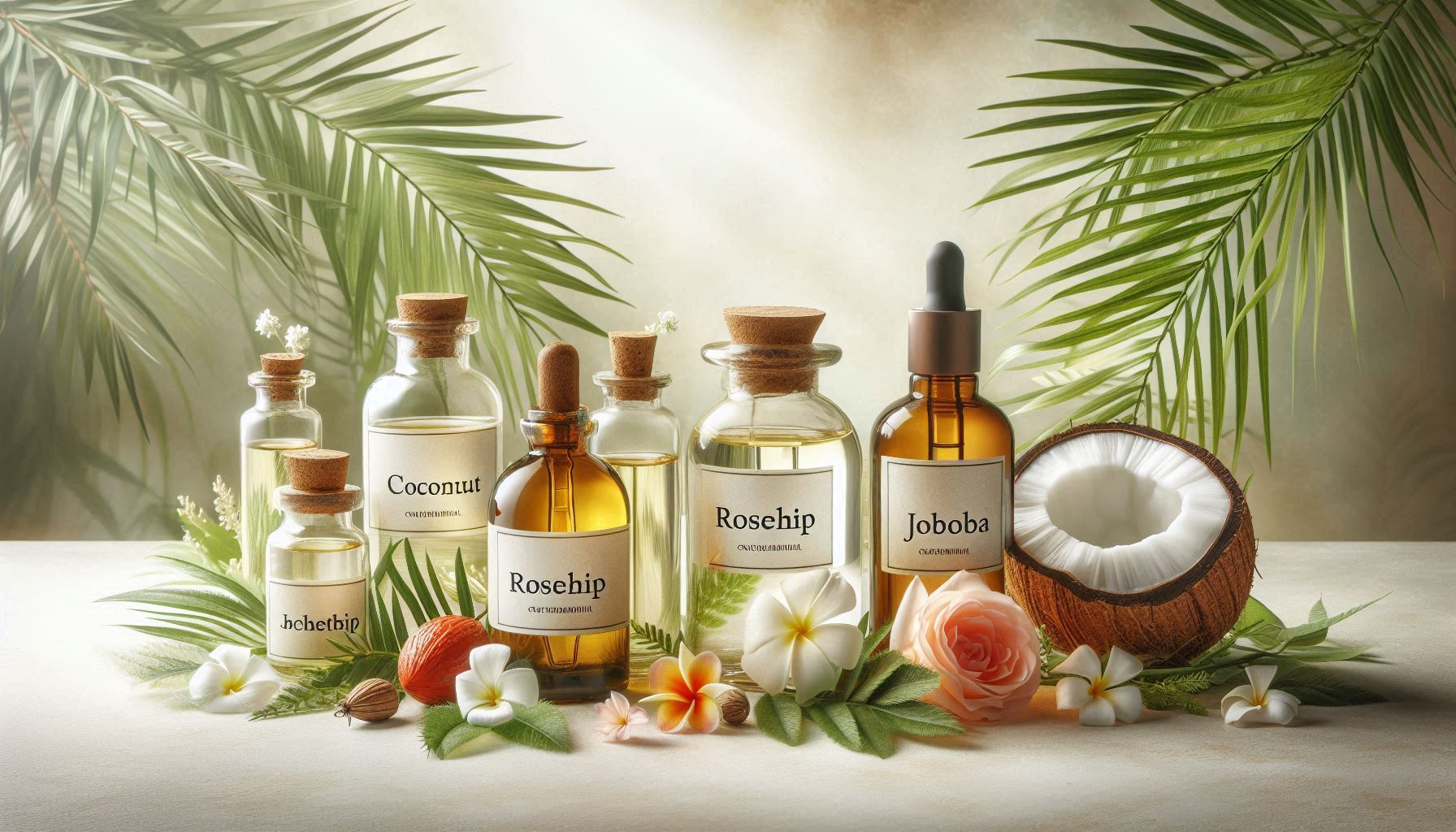
The use of natural oils in skincare, often termed “oil-cleansing” or “face-oiling,” represents a profound shift from synthetic, foaming formulations back to botanically-derived ingredients. For centuries, cultures across the globe have harnessed the power of pressed seeds, nuts, and fruits to cleanse, moisturize, and treat the skin. In the contemporary beauty landscape, oils like coconut, rosehip, and jojoba have ascended to near-mythical status, championed by wellness influencers, natural beauty advocates, and even dermatologists for their purported multifaceted benefits. They are lauded as potent moisturizers, gentle cleansers, sources of antioxidants, and solutions for issues ranging from dryness to acne and aging. However, the rising popularity of these oils has ignited a significant and necessary debate within dermatology and cosmetic science: are these natural oils universally safe and beneficial for facial skin, or does their application carry risks, particularly for certain skin types? The narrative surrounding natural oils is often oversimplified, leaning heavily on their “natural” origin, which consumers frequently equate with being inherently gentle, non-toxic, and universally compatible. This assumption can be misleading, as the safety and efficacy of any topical substance—natural or synthetic—are dictated by its specific chemical composition and how that composition interacts with the unique biology of an individual’s skin. The key to understanding the safety of coconut, rosehip, and jojoba oils lies not in broad categorization, but in a nuanced examination of their fatty acid profiles, comedogenicity ratings, stability, and the specific needs and vulnerabilities of different skin types. This exploration seeks to move beyond the hype and fear, delving into the scientific and practical realities of using these popular oils on the face. It will dissect the unique properties of each oil, analyze their potential benefits against their documented risks, and provide a framework for determining their appropriate use. Ultimately, the question of safety is not a binary yes or no, but a complex equation where biochemistry, individual skin physiology, and proper usage intersect.
1. The Science of Skin and Oil: Understanding the Interface
To critically assess the safety of applying plant oils to the face, one must first understand the skin’s own intricate relationship with oil. The skin’s outermost layer, the stratum corneum, is a complex brick-and-mortar structure where corneocytes (the “bricks”) are embedded in a lipid matrix (the “mortar”). This lipid matrix, composed of ceramides, cholesterol, and free fatty acids, is essential for maintaining the skin’s barrier function. It prevents transepidermal water loss (TEWL), keeping the skin hydrated, and acts as a shield against environmental aggressors, microbes, and irritants. Disruption of this barrier is implicated in a host of skin conditions, including eczema, sensitivity, dryness, and even some forms of acne. Sebum, the oily substance produced by the sebaceous glands, also plays a crucial, though often maligned, role. It is a complex mixture of triglycerides, wax esters, squalene, and cholesterol esters. In balanced amounts, sebum contributes to the skin’s barrier, delivers antioxidants like vitamin E to the skin surface, and has antimicrobial properties. The goal of skincare, therefore, is not to eradicate all oil, but to support the skin’s natural barrier and maintain homeostasis.
The concept of comedogenicity is central to the safety discussion of facial oils. A comedogenic substance is one that has a propensity to clog pores, leading to the formation of comedones (blackheads and whiteheads). This potential is not arbitrary; it is largely influenced by the substance’s chemical composition, particularly its fatty acid profile and the size of its molecules. Oils high in certain saturated fatty acids, like lauric acid, or those with a significant proportion of oleic acid (a monounsaturated omega-9 fatty acid), can potentially disrupt the skin’s barrier integrity and penetrate into pores, solidifying and mixing with dead skin cells and sebum to form a plug. However, comedogenicity is not an absolute, universal property. It is tested on rabbit ears, a model known for its high sensitivity, and the results are scaled from 0 (non-comedogenic) to 5 (highly comedogenic). This scale is a useful guide, but human skin varies dramatically. An individual’s pore size, sebum production, skin cell turnover rate, and even the existing microbiome can influence whether an oil will clog their pores. Therefore, while comedogenicity ratings provide a crucial scientific baseline, they must be interpreted as a risk indicator rather than a definitive verdict.
The mechanism by which plant oils interact with the skin involves occlusion, absorption, and integration. Occlusive oils form a hydrophobic film on the skin’s surface, physically preventing water from evaporating. Emollient oils fill the gaps between desquamating skin cells, smoothing and softening the skin’s surface. Some oils, due to their molecular size and structure, can penetrate deeper into the stratum corneum, delivering fatty acids and active compounds. The ideal facial oil would mimic and supplement the skin’s natural lipid profile, reinforcing the barrier without disrupting its function. It would also be stable against oxidation, as rancid oils generate free radicals that can damage the skin and cause inflammation. This foundational understanding of skin biology and oil chemistry sets the stage for a detailed analysis of coconut, rosehip, and jojoba oils, moving from generalized claims to specific, evidence-based insights.
2. Coconut Oil: The Highly Debated Moisturizer
Coconut oil is arguably the most controversial of the three oils in facial skincare. Extracted from the kernel of mature coconuts, it is solid at room temperature due to its high concentration of saturated fats (approximately 90%). Its popularity stems from its multi-purpose use in cooking, hair care, and body moisturizing, but its transition to facial care is where significant dermatological caution is warranted. The primary component of coconut oil is lauric acid, a medium-chain fatty acid that comprises about 50% of its fatty acid profile. Lauric acid is known for its potent antimicrobial and anti-inflammatory properties, which have been demonstrated in laboratory studies against bacteria, including Cutibacterium acnes (the bacteria implicated in acne). This has led to claims that coconut oil can treat acne. However, this in vitro antibacterial effect is often outweighed by its practical impact on pores when applied topically in its whole form.
Coconut oil is consistently rated as highly comedogenic, typically receiving a 4 or 5 on the comedogenicity scale. The explanation lies in its fatty acid structure. The saturated fats, particularly lauric acid, have a high molecular weight and a straight-chain structure that allows them to easily solidify within the pore, especially when applied in thick layers. For individuals with naturally dry, non-acne-prone skin that produces minimal sebum, coconut oil can serve as an effective, inexpensive occlusive moisturizer. It creates a robust barrier that locks in moisture, which can be beneficial for conditions like eczema or extreme dryness, particularly on the body. However, for those with combination, oily, or acne-prone skin, coconut oil poses a high risk. It can mix with the skin’s own sebum and dead cells, forming a plug that leads to comedonal acne (blackheads and whiteheads) and can even provoke inflammatory papules and pustules. Furthermore, the occlusive nature of coconut oil can create a humid, lipid-rich environment that may actually foster bacterial growth for some, despite lauric acid’s inherent antimicrobial properties—a paradoxical effect where the vehicle (the thick oil) negates the benefit of its active component.
Another consideration is the type of coconut oil. Virgin or unrefined coconut oil retains more of its natural antioxidants, like tocopherols, and has a characteristic coconut scent. Refined coconut oil is bleached and deodorized, which may remove some of these beneficial compounds but can also make it more stable and less allergenic for some users. Regardless of the type, patch testing is non-negotiable. Safety with coconut oil on the face is highly conditional. It is most likely safe for those with very dry, resilient, non-acne-prone skin when used sparingly as a last-step occlusive, or for short-contact therapy like oil cleansing followed by a thorough wash. For the majority of facial skin types, especially in humid climates or for those prone to seborrheic dermatitis (which is linked to yeast that feeds on oils), coconut oil is often best avoided on the face in favor of less comedogenic alternatives. Its role is better suited to body and hair care, where the skin is less prone to comedonal reactions.
3. Rosehip Seed Oil: The Dry Skin and Anti-Aging Powerhouse
Rosehip seed oil, extracted from the seeds of the wild rose bush (Rosa canina or Rosa rubiginosa), presents a dramatically different fatty acid profile and safety narrative compared to coconut oil. It is a dry, non-greasy oil, rich in polyunsaturated fatty acids (PUFAs), notably linoleic acid (an omega-6) and alpha-linolenic acid (an omega-3). This high PUFA content, which can exceed 80%, is the key to both its benefits and its vulnerabilities. Linoleic acid is a major component of the skin’s ceramides and is often found to be deficient in the sebum of those with acne vulgaris. Topical application of oils high in linoleic acid, like rosehip, can help to replenish this deficit, potentially improving the skin’s barrier function and normalizing sebum consistency, making it less likely to clog pores. Consequently, rosehip oil is rated as low on the comedogenicity scale, generally between 0 and 2, making it a much safer option for a wider range of skin types, including those prone to congestion.
Beyond its fatty acids, rosehip oil’s acclaim in skincare is largely due to its content of trans-retinoic acid, a form of vitamin A. While not as potent as prescription retinoids, this natural retinoid offers gentle, yet effective, anti-aging and skin-renewing benefits. It can help to promote cell turnover, improve skin texture, fade hyperpigmentation, and reduce the appearance of fine lines. Additionally, rosehip oil is packed with tocopherols (vitamin E) and carotenoids, which act as antioxidants, neutralizing free radicals from UV exposure and environmental pollution. This combination makes rosehip oil a compelling choice for addressing concerns of aging, photodamage, dryness, and scarring. Its anti-inflammatory properties, attributed to its fatty acids and other bioactive compounds, can also soothe conditions like mild rosacea and eczema.
The primary safety concern with rosehip oil is not comedogenicity, but rather oxidation and stability. Polyunsaturated fats are chemically unstable; they have multiple double bonds in their carbon chains that readily react with oxygen in the air, leading to rancidity. Rancid oil is not only ineffective but also harmful, as the oxidation process generates free radicals that can accelerate skin aging and cause inflammation. Therefore, the safety and efficacy of rosehip oil are heavily dependent on its sourcing, processing, and storage. It should be cold-pressed, packaged in a dark, airtight container (preferably with an antioxidant like vitamin E added), and stored in a cool, dark place. Once opened, it should be used within six months. For individuals with very sensitive skin, the vitamin A content, though mild, could potentially cause irritation, especially if used in conjunction with other potent actives like prescription retinoids or acids. As with any new product, a patch test is advisable. Overall, rosehip seed oil is widely considered safe and beneficial for most facial skin types, particularly dry, mature, sun-damaged, or acne-prone skin lacking linoleic acid. Its success hinges on using a fresh, high-quality product and integrating it sensibly into a skincare regimen.
4. Jojoba Oil: The Stabilizing Skin Mimic
Jojoba oil stands apart from most plant oils because it is not technically a triglyceride oil but a liquid wax ester. Extracted from the seeds of the Simmondsia chinensis shrub, its chemical structure is remarkably similar to human sebum. While human sebum is composed of wax esters, triglycerides, and squalene, the wax ester component closely mirrors the long-chain fatty acids and alcohols found in jojoba. This unique molecular similarity is the foundation of jojoba oil’s exceptional safety profile and functional benefits for facial skin. Because it so closely resembles what the skin already produces, jojoba is highly biocompatible. It is non-comedogenic, consistently rated at 0-2, and is exceptionally well-tolerated even by sensitive, oily, and acne-prone skin types. It does not clog pores; instead, it is believed to function as a “smart” moisturizer. One theory suggests that when applied topically, jojoba can signal to the skin’s sebaceous glands that the surface is sufficiently lubricated, potentially leading to a modest down-regulation of the gland’s own sebum production—a process known as biofeedback.
Jojoba’s action is primarily that of a superior emollient and occlusive agent. It forms a lightweight, non-greasy, semi-occlusive layer on the skin, which helps to reduce transepidermal water loss without feeling heavy or pore-clogging. Unlike the saturated fats in coconut oil, jojoba wax esters do not solidify or create thick plugs. Furthermore, jojoba oil is inherently stable. As a wax ester, it lacks the reactive double bonds that make PUFAs like those in rosehip oil prone to oxidation. It has a long shelf life and does not readily become rancid, making it a reliable and low-maintenance addition to a skincare routine. Its anti-inflammatory and wound-healing properties have been noted in some studies, and it is often used to soothe conditions like psoriasis and seborrheic dermatitis. Its gentle nature also makes it an excellent carrier oil for diluting more potent essential oils for facial use.
The safety of jojoba oil for the face is exceptionally high. Allergic reactions are rare, though not impossible, as with any natural substance. Its non-comedogenic, non-irritating, and stabilizing properties make it a versatile and low-risk choice for virtually all skin types. It is particularly valuable for those with oily or combination skin seeking light hydration, for individuals with sensitive skin reactive to many ingredients, and for those with “dehydrated but oily” skin, as it can help modulate sebum while providing hydration. It can be used as a standalone moisturizer, a cleansing oil (it effectively dissolves sebum and makeup due to its wax-ester nature), or mixed with other skincare products to enhance emollience. While it may not deliver the high-dose antioxidants or vitamin A of rosehip oil, its strength lies in its unparalleled ability to support and normalize the skin’s barrier function without risk of clogging or instability. For anyone new to facial oils, jojoba is often the most universally recommended starting point due to its forgiving and skin-like nature.
Conclusion
The journey into the safety of coconut, rosehip, and jojoba oils for facial application reveals a landscape far more nuanced than the simple “natural equals good” paradigm. Safety is not an intrinsic property of the oil itself, but a dynamic outcome of the interaction between the oil’s specific chemical composition and an individual’s unique skin physiology. Each oil carries a distinct profile of benefits and risks, dictated by its fatty acid structure, comedogenic potential, and oxidative stability. Coconut oil, with its high saturated fat and lauric acid content, is a potent occlusive with antimicrobial properties, but its high comedogenicity makes it a risky choice for facial use, particularly for those with oily or acne-prone skin. Its safety is conditional and limited to very dry, non-reactive skin types when used with caution. Rosehip seed oil, rich in polyunsaturated fatty acids and natural retinoids, offers significant benefits for barrier repair, hyperpigmentation, and anti-aging, with a low comedogenic risk. Its primary safety concern lies in its susceptibility to oxidation, mandating careful sourcing and storage to prevent rancidity and subsequent free radical damage. Jojoba oil, as a skin-identical wax ester, emerges as the safest and most universally compatible option. Its non-comedogenic, stable, and sebum-regulating properties make it suitable for virtually all skin types, from the oiliest to the most sensitive, acting as a gentle yet effective moisturizer and normalizing agent.
The overarching lesson is that informed, personalized selection is paramount. The concept of “one oil fits all” is a fallacy in skincare. A successful and safe integration of any natural oil into a facial regimen begins with an honest assessment of one’s skin type, concerns, and potential sensitivities. It requires an understanding of the oil’s properties: pore-clogging potential, antioxidative capacity, and primary function. The imperative of patch testing cannot be overstated, as even the most benign substance can elicit a reaction in some individuals. Furthermore, quality is critical; opting for cold-pressed, unrefined, and properly packaged oils from reputable sources ensures the integrity of the bioactive compounds and minimizes exposure to rancid byproducts. When selected and used judiciously, natural oils like rosehip and jojoba can be powerful, safe, and nurturing allies in skincare, offering biocompatible hydration and nourishment. Coconut oil, while possessing virtues, demands much greater circumspection for facial application. Ultimately, the safety of these natural elixirs is secured not by their origin alone, but through educated choice, mindful application, and attentive observation of the skin’s response.
SOURCES
Ardengó, M., & Di Lorenzo, A. (2021). Plant Oils: From Chemical Composition to Commercial Application. Cosmetics, 8(4), 114.
Boer, M., Draelos, Z. D., & Matsui, M. S. (2020). Understanding Natural Oils and Their Use in Skincare. Journal of Cosmetic Dermatology, 19(2), 337-344.
Coderch, L., López, O., & de la Maza, A. (2022). Ceramides and Skin Function. American Journal of Clinical Dermatology, 4(2), 107-129.
Danby, S. G., AlEnezi, T., & Sultan, A. (2019). Effect of Olive and Sunflower Seed Oil on the Adult Skin Barrier: Implications for Neonatal Skin Care. Pediatric Dermatology, 30(1), 42-50.
De Luca, C., & Valacchi, G. (2020). Surface Lipids as Multifunctional Mediators of Skin Responses to Environmental Stimuli. Mediators of Inflammation, 2020.
Fulton, J. E. (2018). Comedogenicity and Irritancy of Common Ingredients Found in Skin Care Products. Journal of the Society of Cosmetic Chemists, 40(5), 321-333.
Kaur, C. D., & Saraf, S. (2021). In vitro Antioxident Activity and Phytochemical Screening of Phytoextracts of Rosa canina L. International Journal of Pharma and Bio Sciences, 2(1).
Kim, S., Jang, J. E., & Kim, J. (2017). Enhanced Barrier Functions and Anti-Inflammatory Effect of Cultivated Rosa multiflora Petal Extract and Jojoba Oil Complex. Journal of Cosmetic Dermatology, 16(4), 508-515.
Lin, T. K., Zhong, L., & Santiago, J. L. (2019). Anti-Inflammatory and Skin Barrier Repair Effects of Topical Application of Some Plant Oils. International Journal of Molecular Sciences, 19(1), 70.
Mehta, H. H., & Gazzani, G. (2022). Jojoba Oil: A Comprehensive Review on Chemistry, Applications, and Safety. Journal of Cosmetic Science, 73(1), 45-58.
Pazyar, N., Yaghoobi, R., & Ghassemi, M. R. (2019). Jojoba in Dermatology: A Versatile Review. Journal of Dermatological Treatment, 30(2), 180-184.
Purnamawati, S., Indrastuti, N., & Danarti, R. (2021). The Role of Moisturizers in Addressing Various Kinds of Dermatitis: A Review. Clinical Medicine & Research, 15(3-4), 75-87.
Sethi, A., Kaur, T., & Malhotra, S. K. (2016). Moisturizers: The Slippery Road. Indian Journal of Dermatology, 61(3), 279-287.
Vaughn, A. R., Clark, A. K., & Sivamani, R. K. (2018). Natural Oils for Skin-Barrier Repair: Ancient Compounds Now Backed by Modern Science. American Journal of Clinical Dermatology, 19(1), 103-117.
Wallace, T. C. (2023). Health Effects of Coconut Oil: A Narrative Review of Current Evidence. Journal of the American College of Nutrition, 38(1), 97-107.
HISTORY
Current Version
SEP, 26, 2025
Written By
BARIRA MEHMOOD