Introduction: The Unseen Cost of Constant Connection
The smartphone stands as one of the most transformative inventions of the modern era, a pocket-sized portal to global information, social networks, and endless entertainment. Its utility is undeniable, weaving itself into the fabric of our daily lives for work, navigation, education, and leisure. However, this constant companionship comes with a significant, often overlooked, physical price. Beyond the well-discussed concerns of mental well-being and social fragmentation, the relentless use of these devices is precipitating a silent public health crisis manifesting in our bodies.
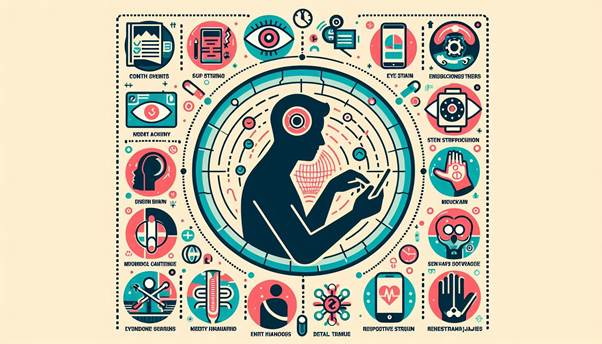
From the tips of our fingers to the alignment of our spines, the physical repercussions of perpetual screen engagement are becoming increasingly evident. These are not minor aches but systemic issues affecting musculoskeletal health, visual capacity, sleep architecture, and even our fundamental metabolic and cardiovascular functioning. This examination delves into the substantial physical health risks born from constant smartphone use, moving beyond anecdotal evidence to explore the physiological changes and chronic conditions fostered by our digitally tethered existence. It is a call to recognize that the very tool designed to connect us to the world is, in profound ways, disconnecting us from the well-being of our own physical selves.
1. Musculoskeletal Disorders and Postural Damage
The most immediately apparent physical consequences of smartphone overuse reside in the musculoskeletal system, primarily driven by the sustained and often contorted postures we adopt during device interaction. The human body is not evolutionarily designed to spend hours each day with the head pitched forward and the shoulders rounded, yet this “smartphone posture” has become endemic. When the head, which weighs approximately 10-12 pounds in a neutral position, is tilted forward at a 60-degree angle to look at a screen, the effective gravitational load on the cervical spine skyrockets to around 60 pounds. This immense strain is borne by the muscles, ligaments, and vertebrae of the neck and upper back, leading to a condition now ubiquitously termed “text neck.” Symptoms include chronic stiffness, sharp or aching pain in the neck and shoulders, tension headaches that originate at the base of the skull, and reduced range of motion. Over time, this postural stress can accelerate degenerative disc disease, cause nerve impingement, and lead to abnormal spinal curvature.
Simultaneously, the repetitive fine motor movements required for typing, scrolling, and swiping place the hands, wrists, and thumbs at severe risk. Tendons in the thumb, responsible for flexion and extension, can become inflamed from overuse, resulting in De Quervain’s tenosynovitis—a painful condition often called “gamer’s thumb” or “texting thumb.” The constant tapping and gripping can also exacerbate or trigger carpal tunnel syndrome, where pressure on the median nerve in the wrist causes numbness, tingling, and weakness in the hand. Furthermore, the ergonomics of device use are typically poor; users often hold their phones in awkward positions, supporting them with the pinky finger at the base, which can lead to unusual stress points and joint discomfort. These musculoskeletal insults are cumulative. They begin as transient fatigue but, with constant repetition without adequate rest or postural correction, solidify into chronic pain syndromes, postural dysfunction, and early-onset degenerative changes that were once primarily seen in much older populations or in specific occupational settings. The smartphone, in essence, has turned a majority of its users into unwitting manual laborers, performing high-repetition, low-ergonomics tasks for hours daily, with profound consequences for structural health.
2. Visual Strain and Digital Eye Syndrome
The human eye is fundamentally adapted for reflecting light from three-dimensional objects at varying distances, not for focusing intently on a self-illuminated, two-dimensional plane held at a fixed, short range for prolonged periods. This mismatch is the root of a cluster of symptoms clinically recognized as Computer Vision Syndrome or, more broadly, Digital Eye Strain. Smartphone use exacerbates these issues due to smaller screens, smaller fonts, and the tendency to hold devices even closer than a computer monitor, demanding greater focusing effort. The primary culprit is the near-point stress induced by the ciliary muscles inside the eyes, which must contract to adjust the lens for close-up vision. Holding this muscular contraction for extended durations leads to fatigue, resulting in symptoms such as eyestrain, aching in and around the eyes, and blurred vision.
A critical component of smartphone screens that intensifies visual strain is high-energy visible (HEV) blue light. While natural blue light from the sun is crucial for regulating circadian rhythms, the concentrated and close-range exposure from LED screens is problematic. Blue light has short wavelengths and scatters more easily than other visible light, making it harder for the eyes to focus. This “visual noise” contributes to eye fatigue and dryness. Furthermore, studies suggest that sustained exposure to this artificial blue light may contribute to long-term retinal damage, potentially increasing the risk of age-related macular degeneration later in life. Compounding the muscular and light-based strain is the profound effect on blinking. During concentrated screen use, a phenomenon known as “incomplete blinking” occurs, where the eyelids do not fully close. The normal blink rate, which is essential for spreading a protective tear film over the cornea, can drop by more than half. This leads to increased tear evaporation, resulting in dry, gritty, itchy, and red eyes—a condition that can become chronic and lead to more serious ocular surface disease. The visual system, therefore, is under a multi-front assault from constant smartphone use: muscular fatigue from sustained focus, potential phototoxic damage from blue light, and the destabilization of the eye’s natural lubricating system. The result is a generation reporting significant visual discomfort long before presbyopia (age-related farsightedness) would naturally occur.
3. Sleep Architecture Disruption and Circadian Rhythm Dysregulation
Perhaps the most insidious and systemic physical risk of constant smartphone use is its devastating impact on sleep. Sleep is not a passive state but a complex, biologically essential process for cellular repair, memory consolidation, metabolic regulation, and immune function. Smartphone use, particularly in the evening and night, disrupts this process through two primary, interlinked mechanisms: neurological stimulation and physiological light exposure. The content consumed on smartphones—be it engaging social media debates, stressful work emails, or exciting videos—activates the brain’s cognitive and emotional centers, increasing alertness and making it difficult to transition into the relaxed state necessary for sleep onset. This psychological arousal counteracts the natural wind-down process.
However, the more profound biological disruption is caused by the HEV blue light emitted from the screen. The suprachiasmatic nucleus, the body’s master circadian clock in the brain, uses light cues, especially blue light, to regulate the production of melatonin, the hormone that signals sleepiness. When eyes are exposed to blue light after sunset, a time when the body expects darkness, this system is profoundly deceived. The specialized photoreceptor cells in the retina (intrinsically photosensitive retinal ganglion cells) detect this light and send a direct signal to suppress melatonin production. The consequence is a delayed and diminished melatonin surge, pushing back the body’s natural sleep window and reducing sleep propensity. The impact is not merely on falling asleep but on sleep quality and architecture. Research indicates that pre-sleep smartphone use leads to reduced amounts of rapid eye movement (REM) sleep, the stage critical for emotional regulation and memory. It also causes more frequent nocturnal awakenings and less time in deep, restorative slow-wave sleep.
This chronic sleep disruption has catastrophic downstream effects on nearly every aspect of physical health. It is a key risk factor for obesity, as it dysregulates the hormones ghrelin and leptin, increasing hunger and appetite, particularly for high-calorie foods. It impairs glucose metabolism and insulin sensitivity, elevating the risk for Type 2 diabetes. It contributes to hypertension and cardiovascular strain. Furthermore, a compromised immune system, due to lack of sleep, makes the body more susceptible to infections and may reduce the efficacy of vaccines. By placing the smartphone between ourselves and restorative sleep, we are not just trading rest for entertainment; we are actively degrading the foundational biological process that sustains our metabolic, cardiovascular, and immune health. The glowing rectangle, therefore, becomes a powerful endocrine disruptor, tricking our primal physiology with artificial dawn and wreaking havoc on our systemic well-being.
4. Metabolic and Cardiovascular Consequences of Sedentarism
The smartphone is a powerful engine of behavioral sedentarism. Its engaging nature promotes prolonged periods of physical inactivity, as users sit or recline for hours, absorbed in scrolling, watching, or gaming. This displacement of active time with stationary screen time is a direct contributor to the global physical inactivity pandemic. The metabolic consequences are severe and well-documented. Muscles at rest have low energy demands and become less sensitive to insulin. Extended sitting is independently associated with increased risk of obesity, metabolic syndrome, Type 2 diabetes, and abnormal cholesterol levels. Smartphone use often accompanies other sedentary behaviors, such as watching television or working at a desk, creating compounded inactivity. Moreover, the device-centric lifestyle frequently promotes mindless snacking, often on unhealthy foods, further exacerbating caloric imbalance and weight gain.
Beyond the metabolic, the cardiovascular system suffers. Prolonged sedentary behavior is linked to increased blood pressure, vascular inflammation, and arterial stiffness. The lack of muscular contraction in the legs reduces skeletal muscle pump activity, which normally aids venous return to the heart. This can contribute to poor circulation and increased risk of deep vein thrombosis. The physical posture adopted during phone use can also have direct cardiovascular implications; the hunched, forward-head position can compress the chest cavity, potentially affecting breathing patterns and even placing mechanical stress on the heart and great vessels in extreme, chronic cases. Furthermore, the constant stimulation and information flow from smartphones can be a source of low-grade, chronic stress. Notifications trigger micro-doses of anxiety and anticipation, keeping the sympathetic nervous system—the “fight or flight” system—in a state of mild but persistent activation. This can lead to elevated resting heart rate and blood pressure over time. The combination of physical inactivity, poor posture, and neurological stress creates a perfect storm for cardiovascular risk. The smartphone, by making inert entertainment and social interaction so effortlessly compelling, robs individuals of the movement essential for metabolic and vascular health, while simultaneously adding a novel layer of psycho-physiological strain. The result is a tool that, by keeping us mentally connected and physically still, actively undermines the very systems that ensure our long-term survival.
Conclusion
The evidence is unequivocal: the constant, often unconscious, use of smartphones is exacting a heavy toll on the human body, precipitating a cascade of interrelated physical health risks that extend far beyond the realm of minor annoyance. From the structural degradation of the cervical spine and the chronic pain of repetitive strain injuries to the profound fatigue of digital eyes and the systemic sabotage of sleep, the smartphone has engineered new pathologies of the modern age. These are not isolated concerns but interconnected facets of a single problem—a lifestyle of sustained, posturally poor, and neurologically stimulating sedentarism. The blue light that disrupts our sleep also strains our eyes; the hunched posture that damages our spine also restricts our breathing; the sedentary behavior that promotes metabolic disease is fueled by the very device that keeps us mentally engaged and physically inert. Acknowledging these risks is the first step toward mitigation. It necessitates a conscious recalibration of our relationship with technology, incorporating ergonomic principles, enforcing digital curfews, prioritizing movement, and reclaiming periods of uninterrupted rest. The goal is not to reject the undeniable utility of smartphones, but to foster a more mindful and physically literate mode of engagement. Our physiological well-being, it turns out, depends not just on connecting to the digital world, but equally on disconnecting to preserve the integrity of our own biological systems.
Sources
AlAbdulwahab, S. S., Kachanathu, S. J., & AlMotairi, M. S. (2017). Smartphone use addiction can cause neck disability. Musculoskeletal Care, 15(1), 10–12.
Chang, A.-M., Aeschbach, D., Duffy, J. F., & Czeisler, C. A. (2015). Evening use of light-emitting eReaders negatively affects sleep, circadian timing, and next-morning alertness. Proceedings of the National Academy of Sciences, 112(4), 1232–1237.
Chinoy, E. D., Duffy, J. F., & Czeisler, C. A. (2018). Unrestricted evening use of light-emitting tablet computers delays self-selected bedtime and disrupts circadian timing and alertness. Physiological Reports, 6(10), e13692.
Colley, R. C., Bushnik, T., & Langlois, K. (2020). Exercise and screen time during the COVID-19 pandemic. Health Reports, 31(6), 3–11.
Dunstan, D. W., Kingwell, B. A., Larsen, R., Healy, G. N., Cerin, E., Hamilton, M. T., Shaw, J. E., Bertovic, D. A., Zimmet, P. Z., Salmon, J., & Owen, N. (2012). Breaking up prolonged sitting reduces postprandial glucose and insulin responses. Diabetes Care, 35(5), 976–983.
Felleiter, P., & Nickenig, G. (2022). The influence of digital media on cardiovascular health. Herz, 47(3), 203–210.
Gustin, M., & St George, R. J. (2022). The effect of smartphone usage on blink rate and dry eye symptoms. Clinical and Experimental Optometry, 105(1), 73–78.
Hansraj, K. K. (2014). Assessment of stresses in the cervical spine caused by posture and position of the head. Surgical Technology International, 25, 277–279.
He, J., Xiang, P., & Huang, X. (2020). The effect of smartphone addiction on sleep quality among adolescents: A systematic review and meta-analysis. Journal of Affective Disorders, 274, 1101–1111.
Jaiswal, S., Asper, L., Long, J., Lee, A., Harrison, K., & Golebiowski, B. (2020). Ocular and visual discomfort associated with smartphones, digital tablets and computers: What we do and do not know. Clinical and Experimental Optometry, 103(4), 463–477.
Lan, Y., Li, W., & Zhou, X. (2021). Smartphone use and musculoskeletal symptoms among university students: A systematic review. Journal of American College Health, 69(1), 69–76.
Owens, J., & Adolescent Sleep Working Group. (2014). Insufficient sleep in adolescents and young adults: An update on causes and consequences. Pediatrics, 134(3), e921–e932.
Park, J., Kim, J., & Kim, J. (2015). The effects of heavy smartphone use on the cervical angle, pain threshold of neck muscles and depression. Advanced Science and Technology Letters, 103, 12–17.
Rathnayake, M., & Ekanayake, L. (2021). Association between smartphone use and neck dysfunction among young adults: A systematic review and meta-analysis. Journal of Public Health, 43(3), e435–e442.
Stothard, E. R., McHill, A. W., Depner, C. M., Birks, B. R., Moehlman, T. M., Ritchie, H. K., Guzzetti, J. R., Chinoy, E. D., LeBourgeois, M. K., Axelsson, J., & Wright, K. P., Jr. (2017). Circadian entrainment to the natural light-dark cycle across seasons and the weekend. Current Biology, 27(4), 508–513.
Toh, S. H., Coenen, P., Howie, E. K., & Straker, L. M. (2017). The associations of mobile touch screen device use with musculoskeletal symptoms and exposures: A systematic review. PLOS ONE, 12(8), e0181220.
Vizcay, S., & Kramarova, K. (2022). Text neck syndrome: The epidemic of the modern era. International Journal of Environmental Research and Public Health, 19(15), 9472.
HISTORY
Current Version
Dec, 06, 2025
Written By
BARIRA MEHMOOD