Introduction
The human skin, our body’s largest and most visible organ, serves as a dynamic map of our personal history. From the dewy resilience of youth to the dignified lines of maturity, its appearance and needs are in a constant state of evolution, intrinsically tied to the passage of time. Skincare, therefore, cannot be a static, one-size-fits-all regimen but must be a responsive practice that adapts to the complex biological, environmental, and hormonal shifts that characterize each decade of life.
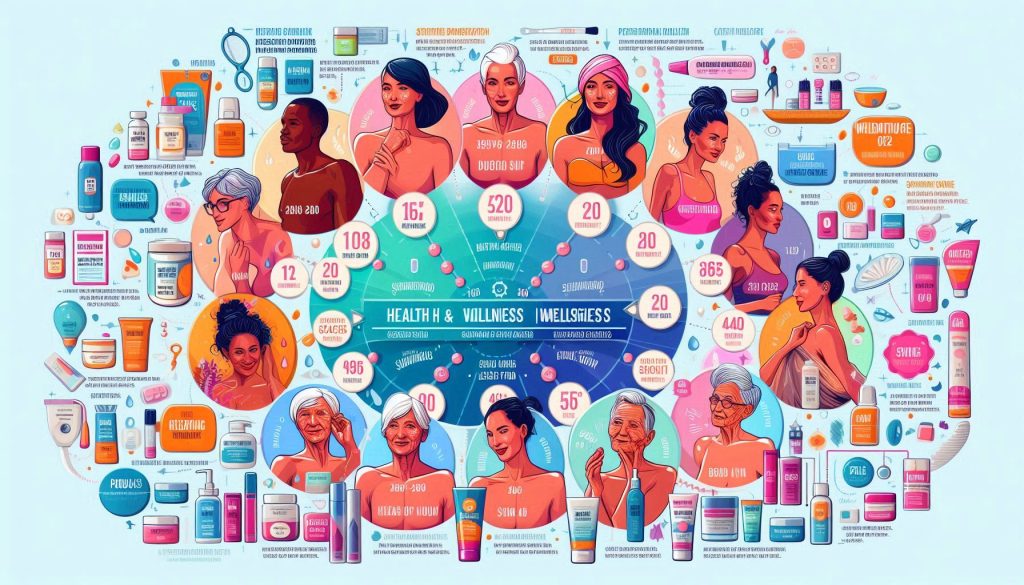
The journey from our twenties to our sixties and beyond is marked by profound changes in cellular turnover, collagen production, sebum output, and the skin’s intrinsic ability to repair and defend itself. External factors, from cumulative sun exposure to lifestyle choices, compound these intrinsic aging processes. Consequently, a product or routine that delivers radiant results at twenty-five may prove inadequate or even detrimental at forty-five. Understanding these chronological shifts is the cornerstone of effective, proactive skincare—a practice less about chasing an elusive ideal of perfection and more about nurturing and protecting the skin’s health at every stage. This discourse will navigate the evolving landscape of skincare through the decades, delineating the primary concerns, essential ingredients, and foundational routines that define each pivotal era from the twenties through the sixties and beyond. The goal is to equip individuals with the knowledge to build a personalized, age-appropriate strategy that supports the skin’s structure and function, fostering a healthy, resilient complexion for a lifetime.
The Twenties: Foundation and Prevention
The twenties are often characterized by skin that retains much of its youthful vitality. Cellular turnover is at its peak, typically on a 28-day cycle, and collagen and elastin production are robust, lending the complexion a plump, firm, and resilient quality. For many, the primary skin concerns of this decade are remnants of adolescence: active breakouts, occasional oiliness, and the lingering marks they leave behind. However, this period is also the single most critical window for establishing a preventive skincare philosophy. The skin’s apparent resilience can foster a false sense of security, leading to neglectful habits whose consequences may not become visibly apparent for another decade or more. The central pillar of skincare in one’s twenties, therefore, is the seamless integration of prevention into a simple, consistent routine. The non-negotiable cornerstone of this prevention is daily, broad-spectrum sunscreen with an SPF of 30 or higher. An estimated eighty percent of visible facial aging is attributed to photodamage—the cumulative impact of ultraviolet radiation that degrades collagen, triggers hyperpigmentation, and compromises the skin’s cellular DNA. Applying sunscreen every single day, regardless of weather or indoor status, is the most powerful long-term investment one can make in the health and appearance of their skin. Beyond sun protection, a basic yet effective routine focuses on cleansing, hydration, and targeted treatment. A gentle, non-stripping cleanser used twice daily removes impurities without disrupting the skin’s delicate acid mantle. For those with oily or acne-prone skin, ingredients like salicylic acid can be incorporated into cleansers or leave-on treatments to exfoliate inside the pore and keep breakouts at bay. Hydration remains essential; even oily skin requires moisture. A lightweight, non-comedogenic moisturizer helps maintain the skin’s barrier function and can balance sebum production. The introduction of antioxidants, particularly vitamin C, represents a powerful proactive step. Applied in the morning under sunscreen, a vitamin C serum neutralizes free radicals generated by UV light and pollution, preventing them from causing damage that leads to premature aging. For those dealing with post-inflammatory hyperpigmentation from past acne, ingredients like azelaic acid or niacinamide can help fade dark spots and improve overall skin tone. The exfoliation focus in this decade should be on gentle chemical exfoliants like alpha-hydroxy acids (AHAs) such as glycolic or lactic acid, used once or twice a week to promote radiant cell turnover and address dullness or textural irregularities. The key for twenty-somethings is to build a sustainable, no-frills habit centered on protection and consistency, laying an impeccable foundation for the skin’s future health. Over-complicating the routine or using overly aggressive products designed for more mature skin is unnecessary and can potentially harm the skin barrier. This decade is about cultivating discipline—the daily application of sunscreen, the diligent removal of makeup, and the commitment to listening to one’s skin—to preserve its innate youthfulness for as long as possible.
The Thirties: The Shift Begins – Proactive Maintenance and Early Correction
Entering the thirties often marks the beginning of a perceptible transition. While the skin may still feel youthful, the first subtle signs of intrinsic aging begin to surface, frequently accelerated by the photodamage accumulated in earlier, less sun-conscious years. The biological engine starts to downshift: the rate of cellular renewal begins its gradual decline, and the body’s production of collagen and elastin—the fibrous proteins responsible for skin’s plumpness and snap—decreases by approximately one percent per year. Concurrently, lifestyle factors common to this decade, such as increased stress, fluctuating hormones (particularly around pregnancy or perimenopause), and potentially less consistent sleep, can manifest on the skin’s surface. The primary concerns evolve from purely reactive issues like acne to a combination of early aging signs and persistent imbalances. Fine lines, especially around the eyes (crow’s feet) and forehead, may become more noticeable during expression. Skin may start to lose its uniform luminosity, appearing duller or more fatigued as dead skin cells linger longer. The first hints of volume loss can appear, particularly around the cheeks and under-eye area. Hyperpigmentation, such as solar lentigines (sun spots) or melasma triggered by hormonal shifts, becomes a more common challenge. The skincare strategy for the thirties must therefore pivot from simple prevention to proactive maintenance and early correction. The core routine of gentle cleansing, antioxidant protection, and daily SPF becomes more crucial than ever and should be considered the immutable bedrock. However, this decade calls for strategic upgrades and the introduction of powerhouse ingredients that work on a deeper, cellular level to counteract the onset of aging. Retinoids, particularly prescription-strength retinol or its gentler over-the-counter derivatives (retinaldehyde, granactive retinoid), become the gold-standard ingredient. By accelerating cellular turnover, stimulating neocollagenesis, and improving skin texture and tone, retinoids directly address the slowing metabolic processes of thirty-something skin. Starting with a low concentration and gradually building tolerance is key to avoiding irritation. Peptides, short chains of amino acids that act as messengers, should be incorporated into moisturizers or serums. They signal the skin to produce more collagen and can help improve firmness and smooth the appearance of fine lines. Given the onset of dullness, exfoliation remains important but should be approached with slightly more care. A weekly chemical exfoliant containing a blend of AHAs and perhaps a polyhydroxy acid (PHA) can effectively remove dead skin cells without over-stripping a potentially more sensitive barrier. Hydration needs often intensify; the skin may shift from combination to drier, or experience new areas of dryness. Richer, barrier-supporting moisturizers containing ceramides, fatty acids, and hyaluronic acid in its various molecular weights help attract and seal in moisture, plumping the skin and minimizing the appearance of fine lines. Eye creams, while not strictly necessary, can be beneficial in this decade if they contain targeted ingredients like caffeine to address puffiness or specific peptides for fine lines. The overarching theme for the thirties is intelligent intervention—using scientifically-backed active ingredients to support the skin’s changing biology, thereby delaying the onset of more pronounced signs of aging and correcting the early ones that have appeared. It is a decade of listening closely to the skin’s evolving needs and responding with a more sophisticated, yet still balanced, arsenal.
The Forties: Intensive Support and Hormonal Recalibration
The forties usher in a period of more pronounced change, largely driven by the significant hormonal fluctuations of perimenopause and menopause for women, though men also experience a gradual decline in androgen levels that affects skin. Estrogen, a hormone vital for maintaining skin hydration, collagen production, and barrier function, begins its notable descent. This hormonal shift can trigger a cascade of visible effects, making the forties a decade where skincare needs become more intensive and multi-faceted. The slowdown in cellular turnover and collagen synthesis that began in the thirties accelerates, leading to more apparent loss of firmness and elasticity. Skin may feel noticeably thinner and drier, as sebum production diminishes and the skin’s ability to retain moisture is compromised. Dynamic expression lines that were once temporary can become etched in as static wrinkles. Volume loss in the mid-face becomes more evident, potentially leading to a drawn appearance and the deepening of nasolabial folds. Hyperpigmentation often becomes more stubborn and widespread, while skin may also exhibit new sensitivities or conditions like adult-onset rosacea. The skincare routine in the forties must evolve into a regimen of intensive support, focused on nourishing, replenishing, and actively rebuilding. Cleansing should transition to supremely gentle, creamy, or oil-based formulations that cleanse without compromising the already vulnerable lipid barrier. The antioxidant defense system remains paramount, with a combination of vitamin C and other antioxidants like vitamin E, ferulic acid, or resveratrol providing a robust shield against environmental aggressors. Sunscreen is non-negotiable and should be viewed as the most critical anti-aging product in the arsenal. Retinoids continue to be essential, but formulation tolerance becomes crucial. Switching to a gentler retinoid ester or using a micro-encapsulated retinol in a nourishing base can provide the collagen-boosting benefits without excessive irritation. This is also the decade to firmly embrace peptides and growth factors, which can help communicate with skin cells to support repair and regeneration. However, the most significant shift in the forties is the heightened need for profound hydration and barrier repair. Incorporating humectants like glycerin and sodium hyaluronate is important, but the emphasis should be equally on occlusives and emollients that repair the skin’s lipid matrix. Rich moisturizers and facial oils containing ceramides, cholesterol, squalane, and nourishing plant oils like argan or jojoba become indispensable for locking in moisture and reinforcing the skin’s protective shield. Layering hydrating serums under richer creams can create a moisture reservoir. Targeted treatments for specific areas gain importance. Neck and décolletage care should be integrated into the daily routine, as this thinner skin shows aging quickly. Eye treatments need to be more potent, addressing not just lines but also creping, hollowing, and severe dryness. For persistent hyperpigmentation, professional-grade ingredients like hydroquinone (under dermatological guidance), tranexamic acid, or kojic acid may be considered. In-office professional treatments also become highly synergistic with a diligent home-care routine. Procedures like fractional laser resurfacing, intense pulsed light (IPL) for pigmentation, radiofrequency for tightening, and neuromodulators (like Botox) for dynamic lines can provide corrective results that topical products alone cannot achieve. The forties demand a regimen that is both corrective and profoundly comforting, acknowledging the skin’s increased vulnerability while aggressively supporting its structure and function through advanced topical technology and professional intervention.
The Fifties and Beyond: Nourishment, Hydration, and Preservation
The skin in the fifties, sixties, and subsequent decades reflects a lifetime of experiences, both genetic and environmental. The hormonal upheaval of menopause has typically concluded, leading to a new, post-menopausal equilibrium characterized by significantly reduced estrogen levels. This results in a host of specific changes: a further dramatic decline in collagen and elastin, leading to increased laxity and wrinkling; a continued thinning of the epidermis (atrophy); severe and persistent dryness due to impaired barrier function and reduced sebum; and a potential increase in skin fragility and slower wound healing. Past sun damage often manifests clearly as pronounced wrinkling, textural changes like actinic keratoses, and persistent pigmentation. The underlying facial fat pads also diminish and descend, altering the foundational structure of the face and leading to sagging. The skincare philosophy for this stage shifts decisively from aggressive correction to dedicated nourishment, intense hydration, and gentle preservation of the skin’s integrity and comfort. The primary goals are to plump severely dry skin, support the fragile barrier, improve surface texture, and provide a sense of resilience and comfort. Harsh, stripping cleansers must be entirely avoided in favor of lipid-rich cleansing balms, milks, or creams that cleanse while depositing emollients. The concept of “moisturizing” evolves into “treatment nourishing.” Rich, emollient creams and balms are essential, ideally containing a high concentration of barrier-repairing ingredients like ceramides, niacinamide, and cholesterol, as well as occlusive agents like shea butter or petrolatum to prevent transepidermal water loss. Layering becomes a key technique—applying a hydrating toner or hyaluronic acid serum on damp skin, followed by a peptide serum, and sealed in with a rich moisturizer and perhaps a facial oil. Retinoids can still be beneficial for stimulating collagen, but tolerance must be carefully monitored. Many may find that using a retinaldehyde or a bakuchiol-based product every other night, or as tolerated, provides a gentler alternative. Exfoliation should be infrequent and extremely mild; a gentle PHA or a very low-concentration mandelic acid used once a week or every other week can help remove flakes without causing micro-tears in the delicate skin. Antioxidant protection remains vital, but formulations should be soothing and supportive. Sunscreen application is absolutely critical, not only for cosmetic reasons but for the prevention of precancerous and cancerous lesions; mineral sunscreens containing zinc oxide and titanium dioxide are often well-tolerated and provide broad-spectrum protection. Products specifically formulated for the eye area and neck must be used diligently, as these are zones where thinning is most pronounced. The texture and sensory experience of products become very important; creams that are rich, comforting, and provide a protective film can greatly improve the skin’s feel and appearance. In this phase, professional dermatological guidance is invaluable, not only for cosmetic treatments like fillers to restore volume or laser therapies to improve tone and texture but also for regular skin cancer screenings. The routine in the fifties and beyond is one of reverence and care. It is less about fighting against time and more about honoring the skin by providing it with the profound nourishment and protection it requires to remain healthy, comfortable, and radiant in its maturity. It is a testament to a lifetime of care and a commitment to continued well-being.
Conclusion
The journey of skincare through the decades is a profound illustration of the dynamic interplay between biology, environment, and self-care. From the preventive foundations laid in the twenties to the intensive nourishment required in the sixties and beyond, each life stage presents distinct challenges and opportunities for supporting the skin’s health. The consistent thread woven through every era is the non-negotiable importance of sun protection, a practice that single-handedly mitigates the greatest external threat to the skin’s longevity. Equally vital is the philosophy of adaptation—recognizing that the skin is a living organ whose needs evolve, and that an effective regimen must evolve in tandem. Embracing this lifecycle approach to skincare moves the focus away from chasing a transient, age-specific ideal and toward cultivating a lifelong partnership with one’s skin. It encourages proactive habits, informed ingredient choices, and, when appropriate, professional interventions, all aimed at preserving function, integrity, and comfort. Ultimately, thoughtful, age-appropriate skincare is an enduring investment in the body’s resilient yet vulnerable outer layer, fostering not only its appearance but its fundamental health and capacity to serve as a protective barrier for a lifetime. By honoring the skin’s changing needs through each passing decade, we affirm a commitment to holistic well-being that is reflected in our most visible organ.
SOURCES
Blume-Peytavi, U., Kottner, J., Sterry, W., Hodin, M. W., Griffiths, T. W., Watson, R. E., & Hay, R. J. (2016). Age-Associated Skin Conditions and Diseases: Current Perspectives and Future Options. The Journals of Gerontology: Series A, 71(2), 230–237.
Farage, M. A., Miller, K. W., Elsner, P., & Maibach, H. I. (2013). Characteristics of the Aging Skin. Advances in Wound Care, 2(1), 5–10.
Fisher, G. J., Kang, S., Varani, J., Bata-Csorgo, Z., Wan, Y., Datta, S., & Voorhees, J. J. (2002). Mechanisms of Photoaging and Chronological Skin Aging. Archives of Dermatology, 138(11), 1462–1470.
Krutmann, J., Bouloc, A., Sore, G., Bernard, B. A., & Passeron, T. (2017). The skin aging exposome. Journal of Dermatological Science, 85(3), 152–161.
Rinnerthaler, M., Bischof, J., Streubel, M. K., Trost, A., & Richter, K. (2015). Oxidative Stress in Aging Human Skin. Biomolecules, 5(2), 545–589.
Sator, P. G., Schmidt, J. B., & Hönigsmann, H. (2004). Comparison of epidermal hydration and skin surface lipids in healthy individuals and in patients with atopic dermatitis. Journal of the American Academy of Dermatology, 50(3), 352–358.
Tobin, D. J. (2017). Introduction to skin aging. Journal of Tissue Viability, 26(1), 37–46.
Zouboulis, C. C., Makrantonaki, E., & Bosch, R. (2019). Aesthetic aspects of skin aging, prevention, and local treatment. Clinics in Dermatology, 37(4), 365–372.
HISTORY
Current Version
OCT 23, 2025
Written By
BARIRA MEHMOOD